



Bog Bean (Menyanthes trifoliata) - Wildlife-Friendly Native Creeping Marginal with Fringed Spring Flowers (Peat-Free, Pesticide-Free)
🪴 Peat-free & pesticide-free. More info below:
From £5.95
A classic UK-native of clean wetlands, Menyanthes trifoliata spreads by floating/creeping rhizomes that root as they go, sending up bold three-part (trifoliate) leaves and in spring, beautiful fringed white flowers. On the pond’s shallow shelf, Bog Bean stitches soft edges, offers safe emergence stems for dragonflies and cover for amphibians, and casts light surface shade to help keep water clear as part of a balanced planting. Expect foliage around 10-30 cm high with flower stems to 15-40 cm; spread is steady but easy to manage when basketed or trimmed.
Where it thrives
-
Light: Full sun to light/partial shade (best flowering with good light)
-
Moisture/Zone: Pond margin / shallow shelf; set so there’s 0-15(-20) cm of water over the soil/crown
-
Setting: Naturalistic shelves and quiet shallows; perfect in front of taller marginals to create layered habitat and gentle surface shade
Planting & care
-
Plant in a mesh aquatic basket with peat-free aquatic compost; top with washed grit to prevent float
-
Position rhizomes so they can creep across the basket surface toward open water
-
Trim old leaves/stems after flowering; lift and divide every 2-3 years to refresh and keep within bounds
-
In larger ponds you can allow a few runners to root into shallow gravel; in small ponds keep basketed for tidy control
Safety (important & honest):
Grown for ornament/habitat; do not ingest. Wash hands after pond work. Never release plants or pond water into natural watercourses.
Truth-first wildlife note:
Bog Bean isn’t a “nectar magnet” like loosestrife or mint, but its open, fringed flowers are accessible to small insects and - more importantly - its creeping habit builds edge structure, shelter and emergence routes that pond wildlife depends on.
Joel says…
“Bog Bean gives you that wild, northern-bog feel - clean leaves, frothy spring flowers, and proper habitat. Basket it shallow, let a few runners knit the edge, and keep it to a sensible patch.”
IMPORTANT NOTE: If you are ordering perennials between the months of October and March, including aquatic plants, please be aware that this is the dormant phase for perennials, so your plants may arrive showing potentially little or no top growth at this stage, or can in some cases still have some old leaves from last year showing also. Please don't worry, as this is all quite normal. Once the weather warms up in spring, you will start to see fresh growth and activity! If you ever have any concerns at all, please just message the team on [email protected] and we'll always do our best to help.
Additional information
| Colour | |
|---|---|
| Delivery | |
| Flowering Time | |
| Product Type |
You May Also Like
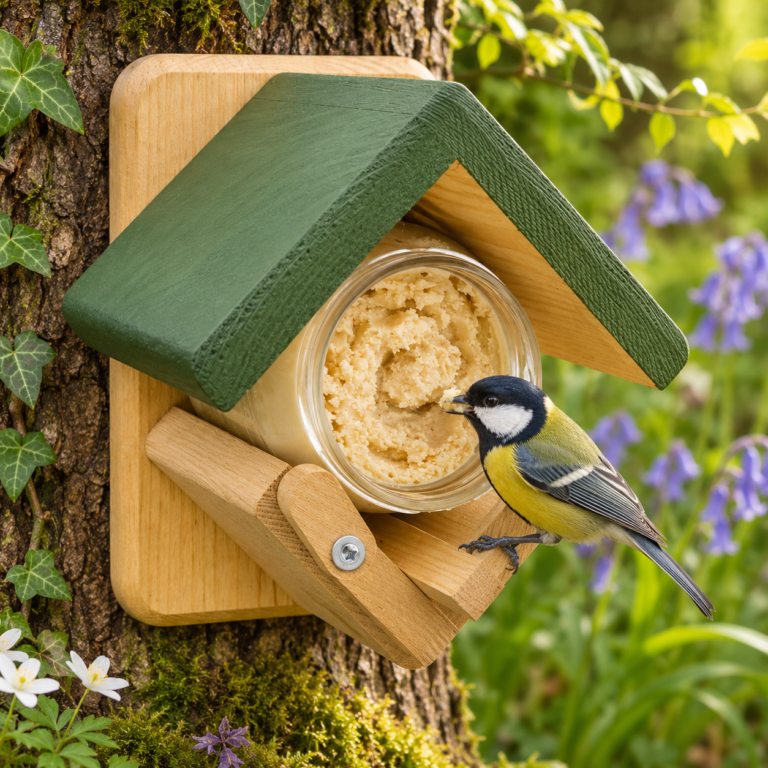
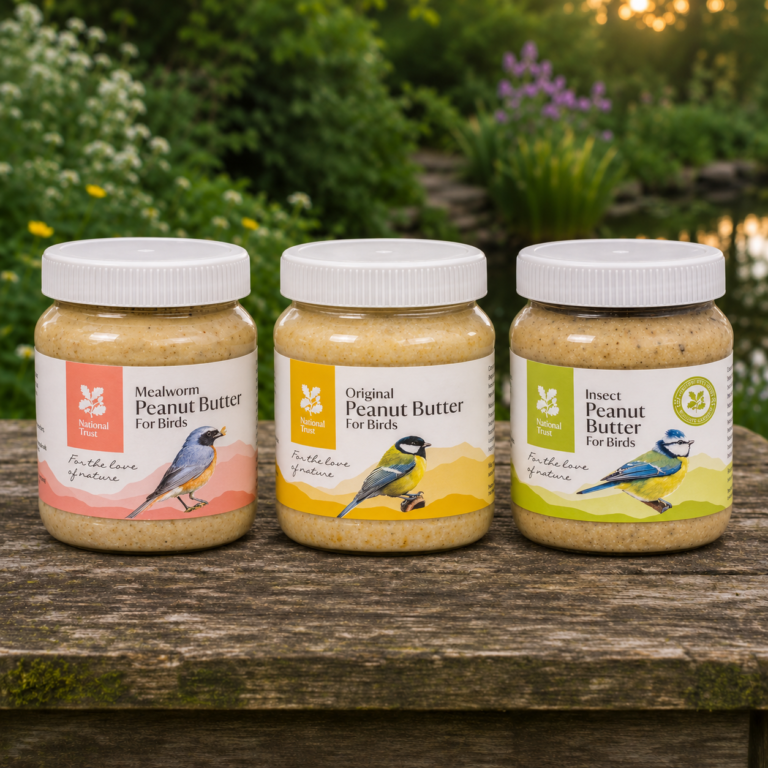
Select options This product has multiple variants. The options may be chosen on the product page
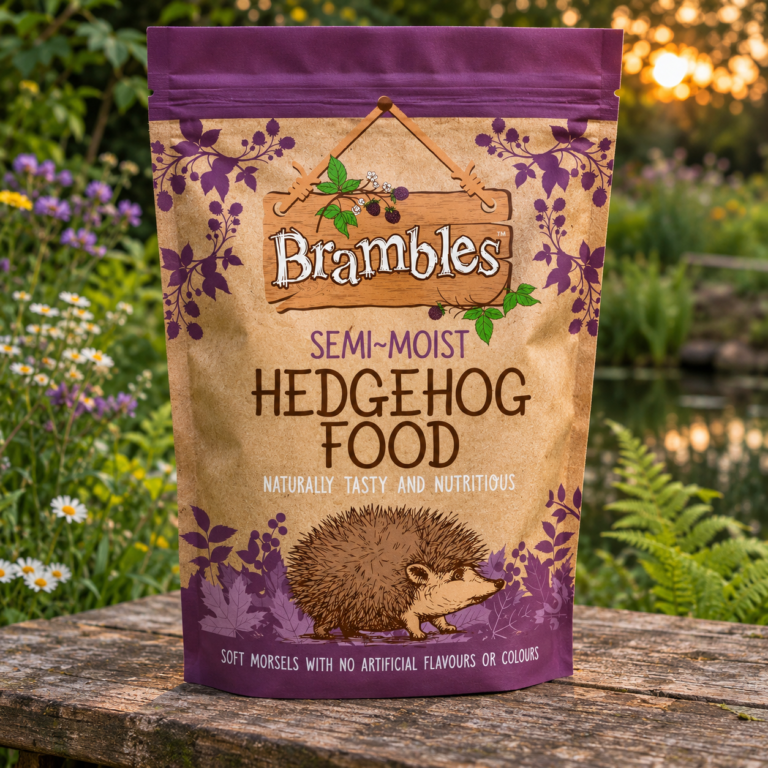

Select options This product has multiple variants. The options may be chosen on the product page

Subscribe to our mailing list
Enter your email address to sign up to our newsletter and receive our latest offers and new releases!

© 2023 Wild Your Garden Ltd. All Rights Reserved. Registered in England and Wales. Company No. 12995106.
Opening Hours
Customer Service Team available:
Monday – Friday – 09:30-16:30
Saturday & Sunday – Closed
Bank Holidays – Closed
Our Christmas opening hours are normal opening times on all dates except Bank Holidays when we will be closed.