



Joel's Common Blue Butterfly Pack - 3/5/10 Multipack Special Offer
This special pack recommended by Joel for the Common Blue Butterfly is available either as a pack of 3, 5 or 10 x 9cm PEAT FREE pots, ready for planting straight into your garden.
Bird's-foot trefoil, Marjoram, Oxeye daisy, Sainfoin, Meadow Buttercup, Spiny Restharrow, Common Fleabane, Sneezewort, Ragged Robin, Purple Loosestrife, Wild Basil
Our nursery team will choose the best available selection of species at the time of packing your order. If you are keen to have a particular species included in your pack from the list, please let us know in the order comments and our nursery team will do their best to include this in your pack wherever possible.
If you have any questions or would like any advice from Joel for your garden, please just send an email to the team on [email protected]
From £16.50
For a little more information on each of Joel's recommended species, please read as follows...
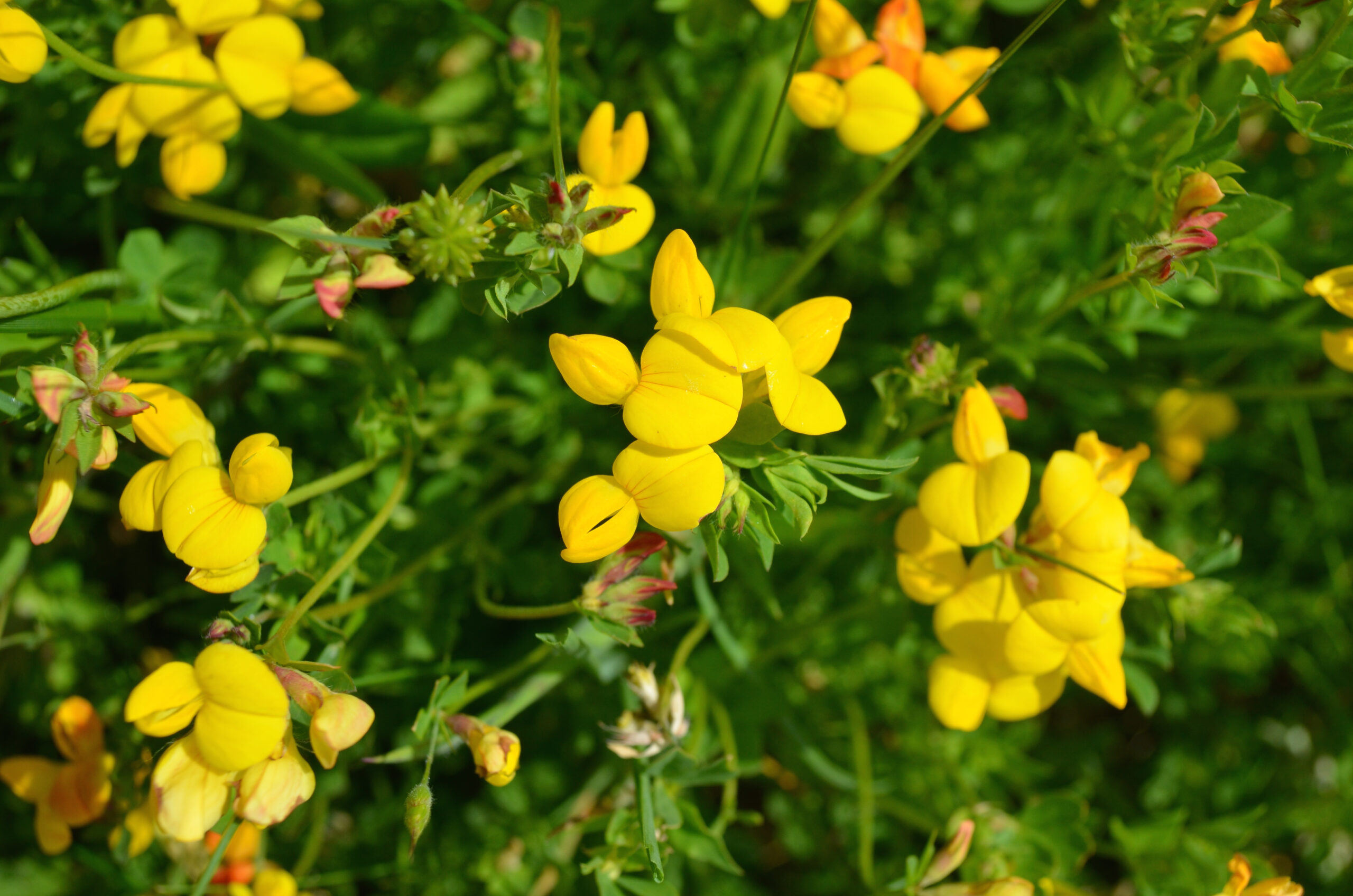
Bird's-foot Trefoil
Eggs and Bacon’ Lovely clusters of yellow/orange pea-like flowers. The name ‘bird’s foot’ refers to the appearance of the seed pods on their stalk. The flowers are used mainly as a sedative and for other aspects of the nervous and cardiac systems. They have an antispasmodic effect on the digestive tract. In the Sannio region, Italy, the diluted infusions were used to calm anxiety, insomnia and exhaustion.
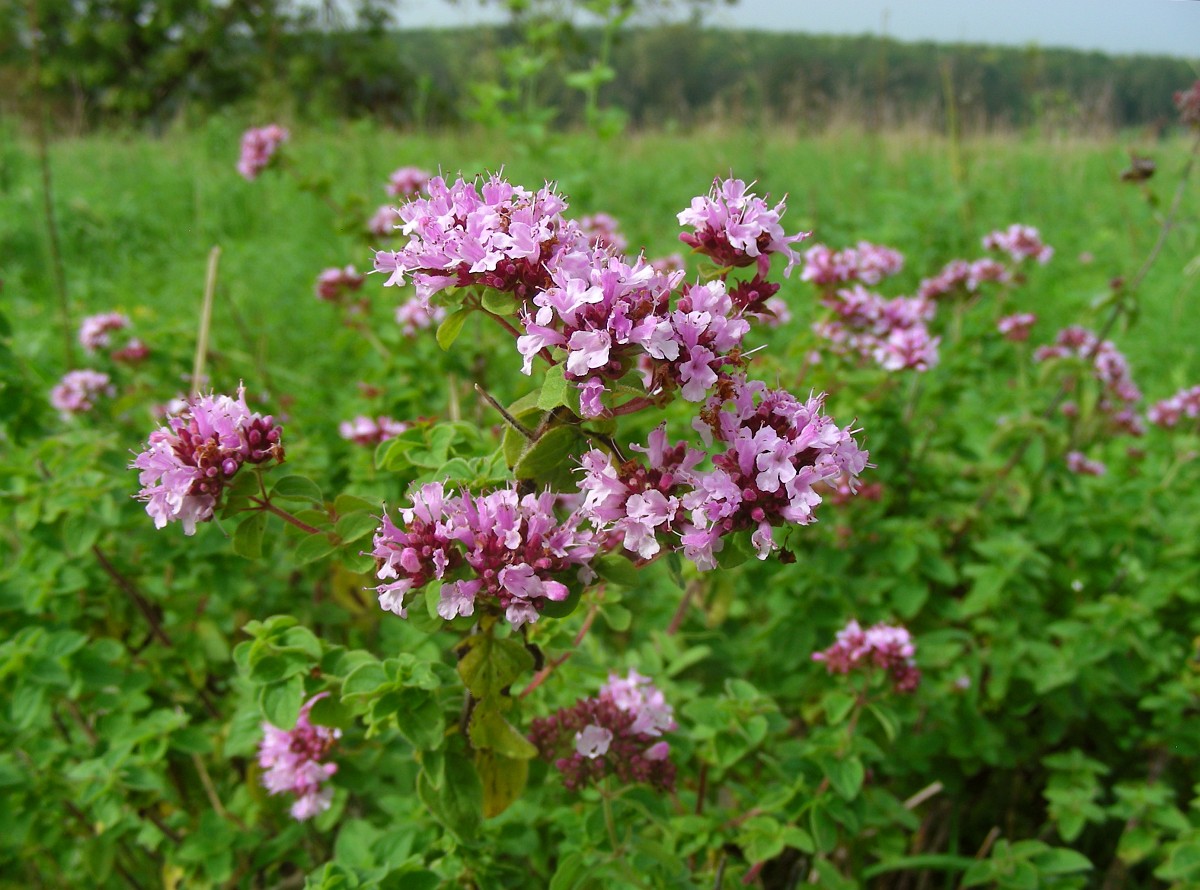
Marjoram
Aromatic perennial with masses of dark purple buds turning to paler flowers, a good butterfly plant. This small white or purple-flowered perennial is commonly called oregano. It is a widely used herb in Greek and Italian cuisine and is often used in tomato dishes, salads and with grilled meats, together with basil.
Oxeye Daisy
Also known as the Dog Daisy. Often seen in meadows and on roadsides. A well known wild flower with lovely, large, white daisy flowers. Also known as the Dog Daisy. Often seen in meadows and on roadsides. Leucanthemum vulgare is widely cultivated and available as a perennial flowering ornamental plant for gardens and designed meadow landscapes. It thrives in a wide range of conditions and can grow in sun to partial shade, and prefers damp soils. A beautiful Rose Chafer Beetle seen in the gallery.
Sainfoin
A bushy meadow plant with cone-shaped spikes. Aromatic perennial with masses dark purple buds turning to paler flowers A good butterfly plant. A butterfly much loved by Churchill but now considered extinct in the UK, the Black Veined White is pictured in the gallery images. There have been reports that the change in climate may now encourage these butterflies to the UK again. Here's hoping!
Meadow Buttercup
The tallest and most graceful of all the butter-cups. Glossy yellow flowers, superb growing in association with Ragged Robin. Common names include meadow buttercup, tall buttercup, common buttercup and giant buttercup. The Victorians believed that the buttercup represented ingratitude and childishness. Perhaps this stems from the playground game of holding a buttercup flower beneath the chin to see if it casts a reflection – if it does, the owner of the chin is said to like butter.
Common Fleabane
Daisy like golden yellow flowers about 1.91 cm across. Common Fleabane is often found on the banks of streams, as it has a preference for marshy or at least permanently damp soil. grows to a height of 50 to 90 cm and has downy stems and very downy wavy-edged Lanceolate leaves. The narrow linear rays and the disc florets are golden yellow and form compound flower heads. Common Fleabane grows to medium height.
Sneezewort
Greyish leaves. Creamy white flower heads, rather yarrow like but larger. Sneezewort is also known as sneezeweed, bastard pellitory, European pellitory, fair-maid-of-France, goose tongue, sneezewort yarrow, wild pellitory, or white tansy it has loose clusters of showy white, flower heads that bloom from June to August. Leaves can be eaten raw or cooked. Sneezewort will also yield an essential oil that is used in herbal medicine. The leaves are used as an insect repellent. Can be poisonous to live stock. It is a hardy, drought-tolerant plant that prefers full sun and moist but well-drained soil.
Ragged Robin
A lovely perennial with dainty pink flowers with ragged petals. Looks terrific in a wetland meadow with meadow buttercup. Found along roads and in wet meadows and pastures. In Britain it has declined in numbers because of modern farming techniques and draining of wet-lands and is no longer common. This is a tough and reliable but well behaved perennial for the damp border, bog garden, edge of a pond or damp wildflower meadow.
Purple Loosestrife
A lovely plant with bright red/purple spikes Good in a moist border or bog garden. Other names of Purple loosestrife include Spiked loosestrife and purple lythrum, They can gorw up to 1-2 meters tall forming Clonal colonies, can be found in ditches, wet meadows, marshes and along side lakes and ponds. They are pollinated by long-tongues insects including bees and butterflies.
Wild Basil
Downy and faintly aromatic with whorls of pinkish purple, good bee plant. The leaves of wild basil are used as an aromatic herb in the preparation of food dishes and to make a herbal tea. They can also be used in the for both a brown and a yellow dye.
IMPORTANT NOTE: If you are ordering perennials between the months of October and March, including aquatic plants, please be aware that this is the dormant phase for perennials, so your plants may arrive showing potentially little or no top growth at this stage, or can in some cases still have some old leaves from last year showing also. Please don't worry, as this is all quite normal. Once the weather warms up in spring, you will start to see fresh growth and activity! If you ever have any concerns at all, please just message the team on [email protected] and we'll always do our best to help.
Additional information
| Pack Size | Pack of 10 x 9cm Pots, Pack of 3 x 9cm Pots, Pack of 5 x 9cm Pots |
|---|
You May Also Like


Subscribe to our mailing list
Enter your email address to sign up to our newsletter and receive our latest offers and new releases!

© 2023 Wild Your Garden Ltd. All Rights Reserved. Registered in England and Wales. Company No. 12995106.
Opening Hours
Customer Service Team available:
Monday – Friday – 09:30-16:30
Saturday & Sunday – Closed
Bank Holidays – Closed
Our Christmas opening hours are normal opening times on all dates except Bank Holidays when we will be closed.