


Tulipa turkestanica - Multi-Flowered Species Tulip with Starry Spring Blooms
A beautiful wild species tulip producing clusters of delicate, star-shaped creamy-white flowers with golden-yellow centres in early spring. Tulipa turkestanica is compact, perennial in suitable free-draining conditions and particularly lovely in sunny borders, gravel gardens, rockeries and containers.
Its simple, open flowers provide accessible spring forage for visiting insects, making this Central Asian species a lovely ornamental addition alongside native wildlife plants.
Joel says…
“Species tulips like this are much more at home in a naturalistic garden than many people imagine. Give them plenty of sun and, most importantly, good drainage. I'd plant them in loose groups amongst low-growing plants rather than in straight lines - and leave the foliage alone after flowering so the bulbs can put energy back in for next year.”
More important info below:
From £2.50
Tulipa turkestanica is a beautiful little species tulip with a very different character from the large, highly bred tulips more commonly seen in gardens. In early spring, slender grey-green foliage is topped by clusters of delicate, star-shaped flowers - creamy white on the inside with conspicuous golden-yellow centres and subtle darker colouring to the outer petals.
Rather wonderfully, a single stem can carry several flowers - sometimes as many as twelve - creating a loose constellation of little stars rather than the solitary flower we normally associate with a tulip. Growing to around 15–30cm, it works particularly well towards the front of sunny borders, through gravel planting, in rock gardens and in containers.
Native to the mountains and temperate regions of Central Asia, Tulipa turkestanica is a genuine wild species rather than a modern garden hybrid. It was first described botanically in the 19th century and remains wonderfully close in appearance to the wild ancestors from which our extraordinary diversity of garden tulips ultimately arose.
Wildlife value
This is one of the reasons we've chosen Tulipa turkestanica for our wildlife-friendly bulb collection.
Its flowers are simple and wide-opening, exposing the pollen-bearing anthers rather than hiding them inside densely packed or highly modified petals. The flowers can therefore provide useful spring forage for visiting insects when open in suitable weather.
It isn't native to Britain and we wouldn't pretend that an ornamental species tulip has the ecological relationships of one of our native wildflowers. Instead, we see it as exactly the kind of carefully selected ornamental that can add useful additional forage to a wildlife garden, particularly as part of a succession of spring flowers.
For maximum wildlife value, combine it with native and long-established early-flowering plants so that bees and other emerging insects have forage available across as much of the season as possible.
Planting & care
Position: Full sun.
Soil: Fertile to moderately fertile, free-draining soil. Avoid persistently wet or waterlogged ground.
Planting: Plant in autumn, pointed end upwards, around 10-15cm deep, with approximately 8-10cm between bulbs. RHS specifically recommends 10–15cm planting depth for this species.
Flowering: Early to mid spring.
Height: Approximately 15–30cm.
After flowering: Allow the foliage to yellow and die back naturally before removing it. The leaves are replenishing the bulb for the following year's display.
Unlike many highly bred bedding tulips, species tulips are much better candidates for leaving in the ground, and specialist tulips can reflower and multiply where conditions suit them. Good drainage is particularly important if you want them to establish as a perennial feature rather than treating them as a one-season display.
Plant them in informal groups rather than regimented rows and, over time, they can produce a wonderfully natural-looking colony.
From the mountains of Central Asia
The familiar garden tulip has an extraordinary history, but long before tulips became objects of European horticultural obsession, wild Tulipa species were flowering across landscapes stretching through Central Asia.
Tulipa turkestanica still gives us a glimpse of that wild ancestry. Kew records the species as native from Central Asia into Xinjiang, and its small stature, multiple flowers and relatively understated colouring are a world away from the enormous single-flowered cultivars bred centuries later.
SAFETY NOTE
Tulips are harmful if eaten, and the bulbs and plant material can also cause skin irritation in some people. Wear gloves when handling bulbs if you have sensitive skin, keep them away from children and pets likely to eat them, and do not plant them where they could be confused with edible bulbs.
Why Wild Your Garden?
We carefully select bulbs that earn their place in a wildlife-friendly garden - prioritising native and naturalised species where ecological relationships matter most, alongside carefully chosen ornamentals that provide useful additional forage.
Our bulbs are ready for a garden where wildlife comes first.
Orders are hand-picked for quality and packed in paper wherever suitable, with breathable net packaging used only where necessary to keep bulbs in the best possible condition.
We work with specialist bulb growers and suppliers, including long-established local growers.
Additional information
| Bulb Quantity | 10 Bulbs, 15 Bulbs, 30 Bulbs, 5 Bulbs |
|---|
You May Also Like
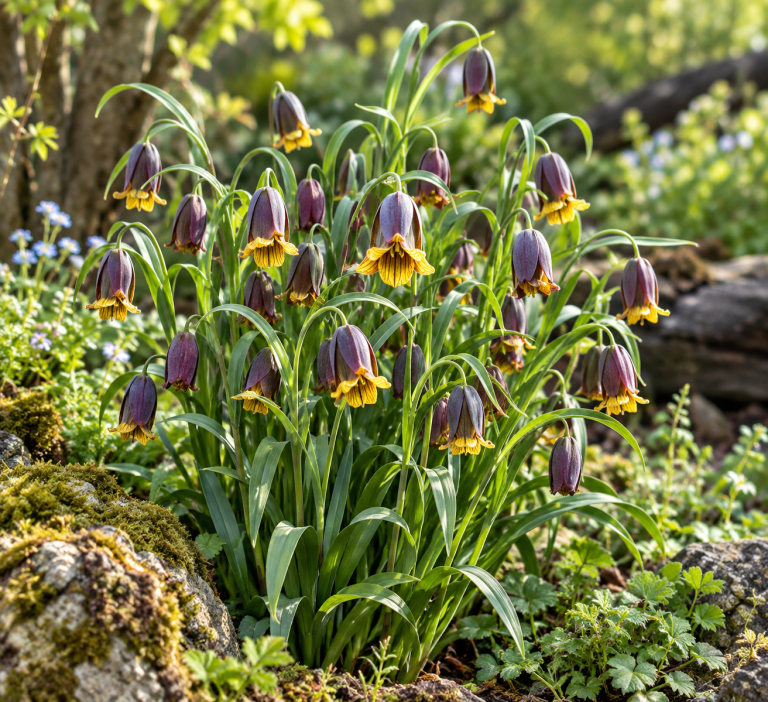
Select options This product has multiple variants. The options may be chosen on the product page
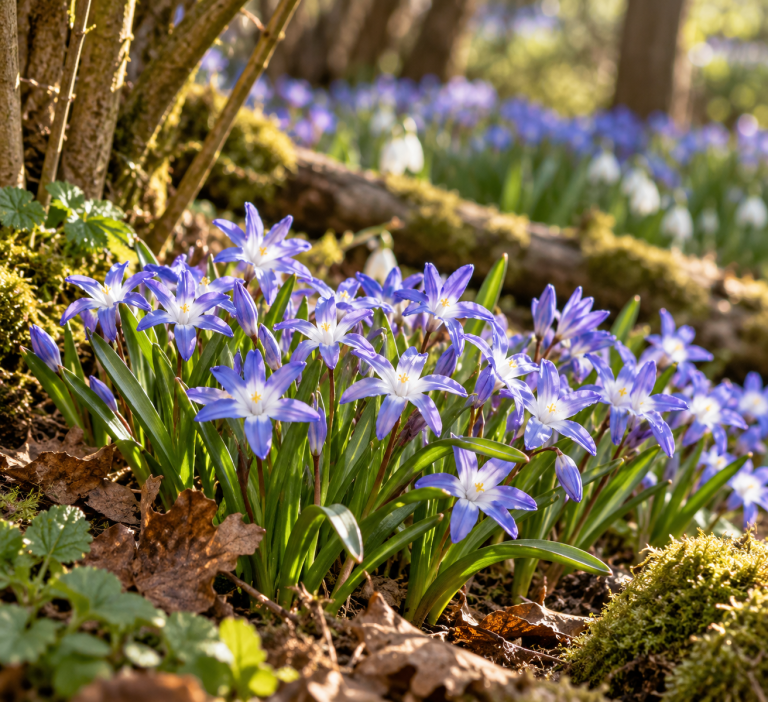
Select options This product has multiple variants. The options may be chosen on the product page
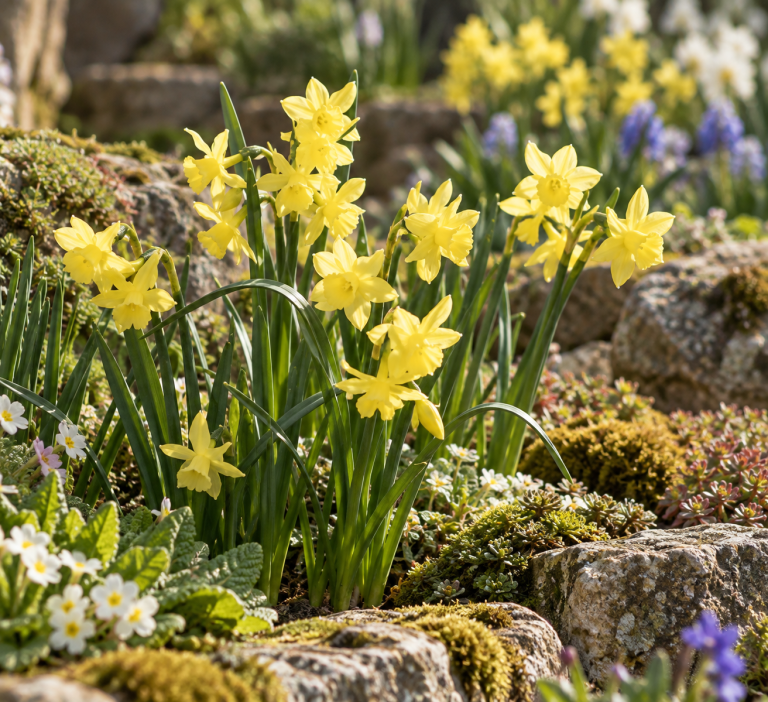
Select options This product has multiple variants. The options may be chosen on the product page
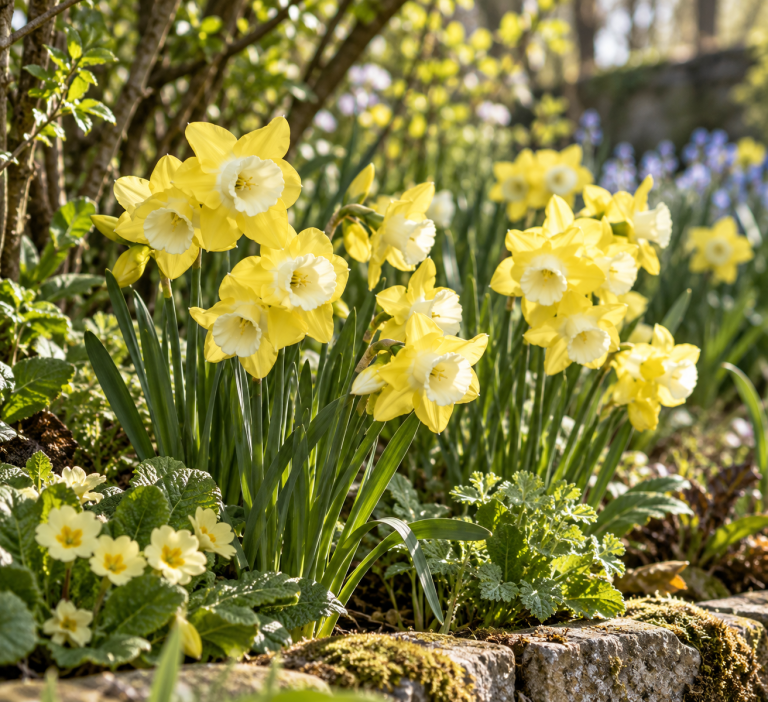
Select options This product has multiple variants. The options may be chosen on the product page
Select options This product has multiple variants. The options may be chosen on the product page
Select options This product has multiple variants. The options may be chosen on the product page
Select options This product has multiple variants. The options may be chosen on the product page
Select options This product has multiple variants. The options may be chosen on the product page
Select options This product has multiple variants. The options may be chosen on the product page
Select options This product has multiple variants. The options may be chosen on the product page

Select options This product has multiple variants. The options may be chosen on the product page

Select options This product has multiple variants. The options may be chosen on the product page
Subscribe to our mailing list
Enter your email address to sign up to our newsletter and receive our latest offers and new releases!

© 2023 Wild Your Garden Ltd. All Rights Reserved. Registered in England and Wales. Company No. 12995106.
Opening Hours
Customer Service Team available:
Monday – Friday – 09:30-16:30
Saturday & Sunday – Closed
Bank Holidays – Closed
Our Christmas opening hours are normal opening times on all dates except Bank Holidays when we will be closed.