



Narcissus pseudonarcissus ‘Lobularis’ (Wild Daffodil / Lent Lily) - Native Spring Treasure for Meadows & Woodland
Narcissus pseudonarcissus ‘Lobularis’, the Wild Daffodil or Lent Lily, brings the understated beauty of Britain's native daffodils into the wildlife garden, with pale yellow petals surrounding deeper golden trumpets in early spring.
Ideal for naturalising through grass, beneath deciduous trees and along woodland edges, its early flowers contribute to the succession of spring forage available to visiting insects.
Joel says…
“Wild Daffodils are at their best when they look as though nobody planted them. Scatter them through grass or beneath deciduous trees rather than arranging them in rows, and let them build into natural colonies over time.”
🪴 Supplied as quality bulbs ready for autumn planting. More important info below:
From £3.50
There are daffodils bred to make a statement in a garden - and then there is the beautiful Wild Daffodil, Narcissus pseudonarcissus ‘Lobularis’, a cultivated form of the species native to Britain.
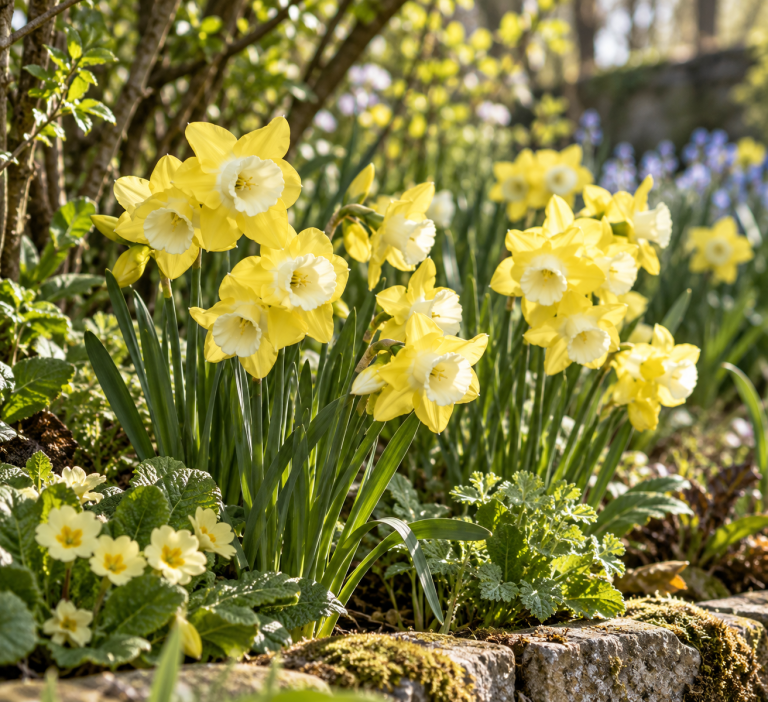
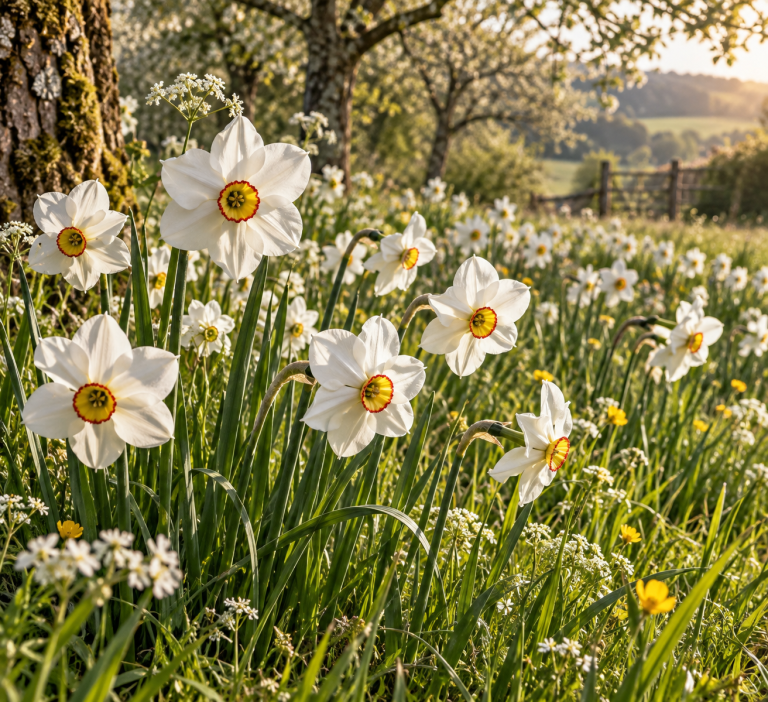
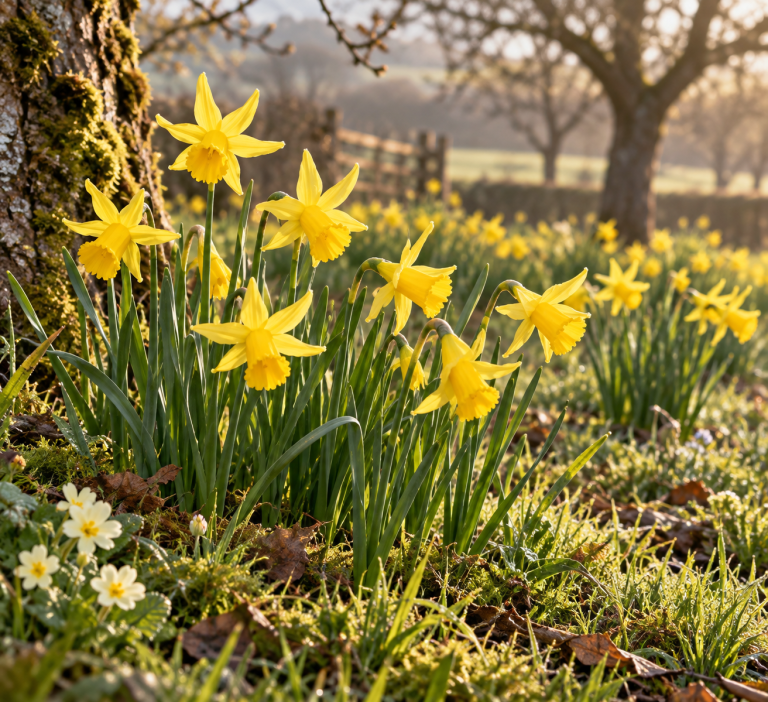
Also known as the Lent Lily, it has the wonderfully understated appearance of our wild daffodils: relatively compact flowers with paler yellow outer petals surrounding a deeper golden-yellow trumpet, held above narrow grey-green foliage.
Flowering in early spring, Wild Daffodils are particularly beautiful when allowed to naturalise informally through grass, beneath deciduous trees, along woodland edges and amongst other spring wildflowers.
Unlike the many highly bred ornamental Narcissus cultivars available today, this is a choice for gardeners wanting something much closer to the character of Britain's native spring flora.
Wildlife value
Wild Daffodils flower during an important period in the wildlife-gardening calendar, when overwintered and newly emerging insects are becoming active but the great abundance of later spring flowers has yet to arrive.
Their flowers can provide early-season pollen and nectar for visiting insects, adding to the succession of forage provided by other early flowers.
But we select native plants for more than whether we can put a bee symbol beside them. Narcissus pseudonarcissus is part of Britain's native flora, making it particularly appropriate for naturalistic planting inspired by our native woodland edges, meadows and grasslands.
For the greatest wildlife value, combine it with a diversity of native spring-flowering plants rather than relying on any single species.
Planting & care
Position: Sun or partial shade
Soil: Moist but well-drained; particularly suited to soil that receives good spring moisture without remaining permanently waterlogged
Planting depth: Approximately 10–15cm deep, or around 2–3 times the bulb's own depth
Spacing: Approximately 8–12cm apart, varying the spacing for a natural appearance
Height: Approximately 20–30cm
Flowering: Early spring, generally February–April depending on location and conditions
Aftercare: Allow the foliage to yellow and die back naturally after flowering so the bulbs can replenish their reserves for the following year.
For naturalising through grass, try scattering handfuls of bulbs across the area and planting them roughly where they fall rather than creating evenly spaced rows.
Beneath deciduous trees they can take advantage of the spring light before the canopy closes, creating increasingly beautiful colonies as established bulbs multiply.
The Lent Lily
The name Lent Lily reflects the Wild Daffodil's traditional flowering period around Lent.
Narcissus pseudonarcissus has a long association with the British countryside and occurs naturally in parts of England and Wales, particularly in old grassland, woodland and other relatively undisturbed habitats.
The familiar wild form is generally smaller and more delicate than many modern garden daffodils - which is precisely where much of its charm lies.
‘Lobularis’ is a name widely used horticulturally for cultivated bulbs representing this familiar wild-daffodil type.
SAFETY NOTE
Daffodils are toxic if eaten. Bulbs and other parts of the plant should not be consumed and should be kept away from children and pets likely to ingest them.
Daffodil sap can also irritate the skin of some people, so wearing gloves is sensible when planting or handling larger quantities.
Why Wild Your Garden?
We carefully select bulbs that earn their place in a wildlife-friendly garden - prioritising native and naturalised species where ecological relationships matter most, alongside carefully chosen ornamentals that provide useful additional forage.
Orders are hand-picked for quality and packed in paper wherever suitable, with breathable net packaging used where necessary to keep bulbs in the best possible condition.
We work with specialist bulb growers and suppliers, including long-established local growers.
Additional information
| Bulb Quantity | 10 Bulbs, 15 Bulbs, 25 Bulbs, 5 Bulbs |
|---|
You May Also Like
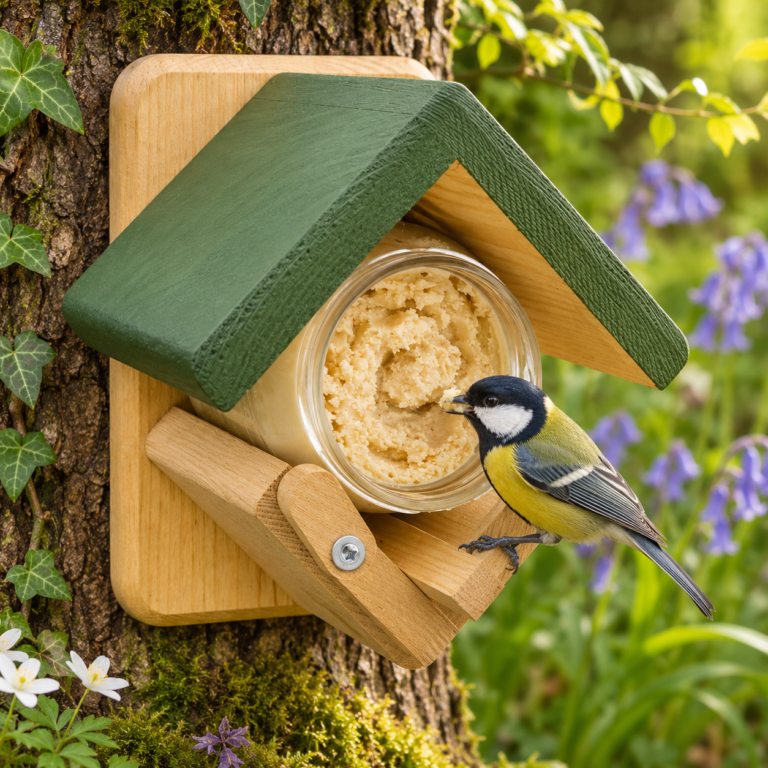
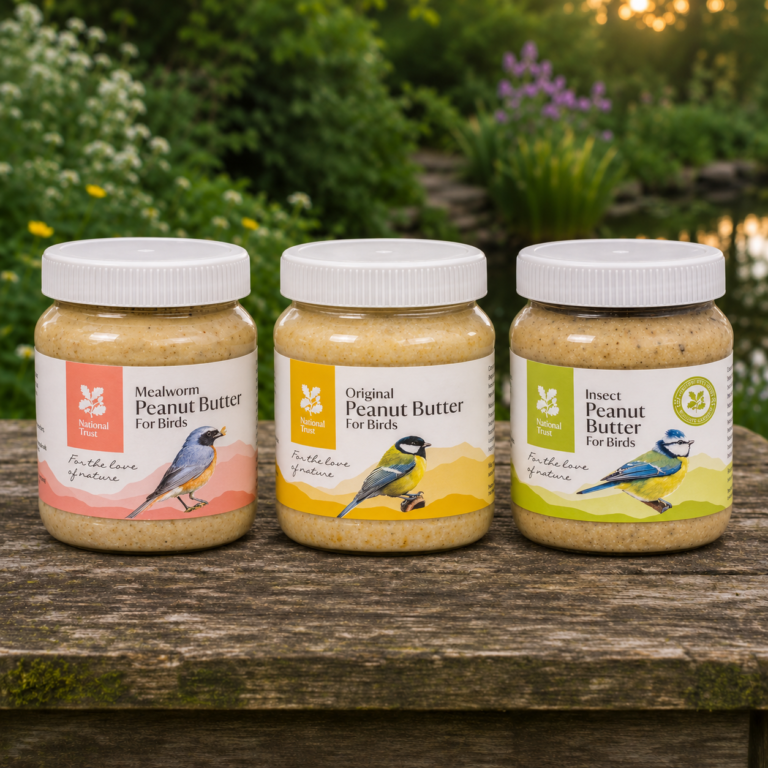
Select options This product has multiple variants. The options may be chosen on the product page
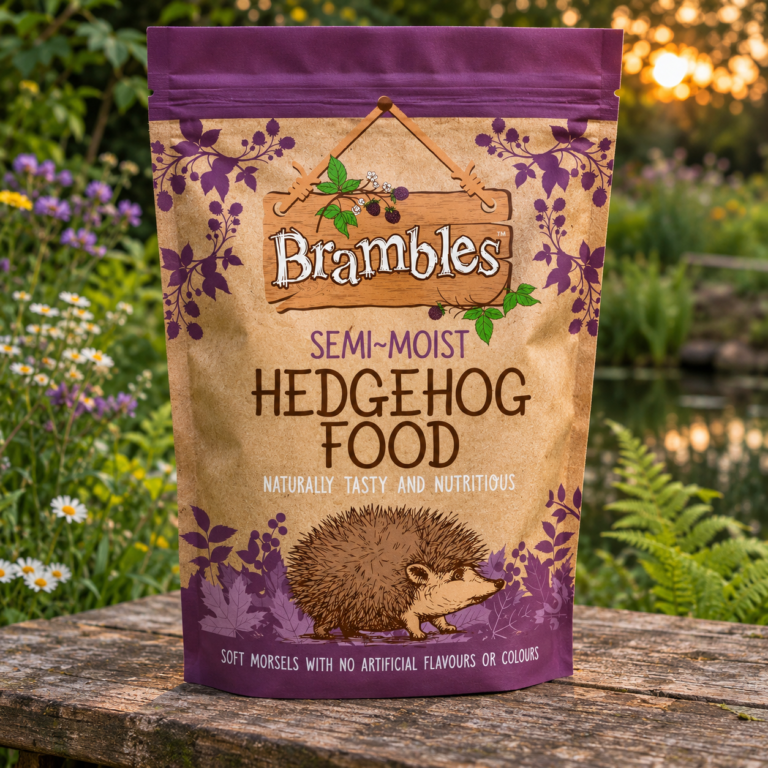

Select options This product has multiple variants. The options may be chosen on the product page

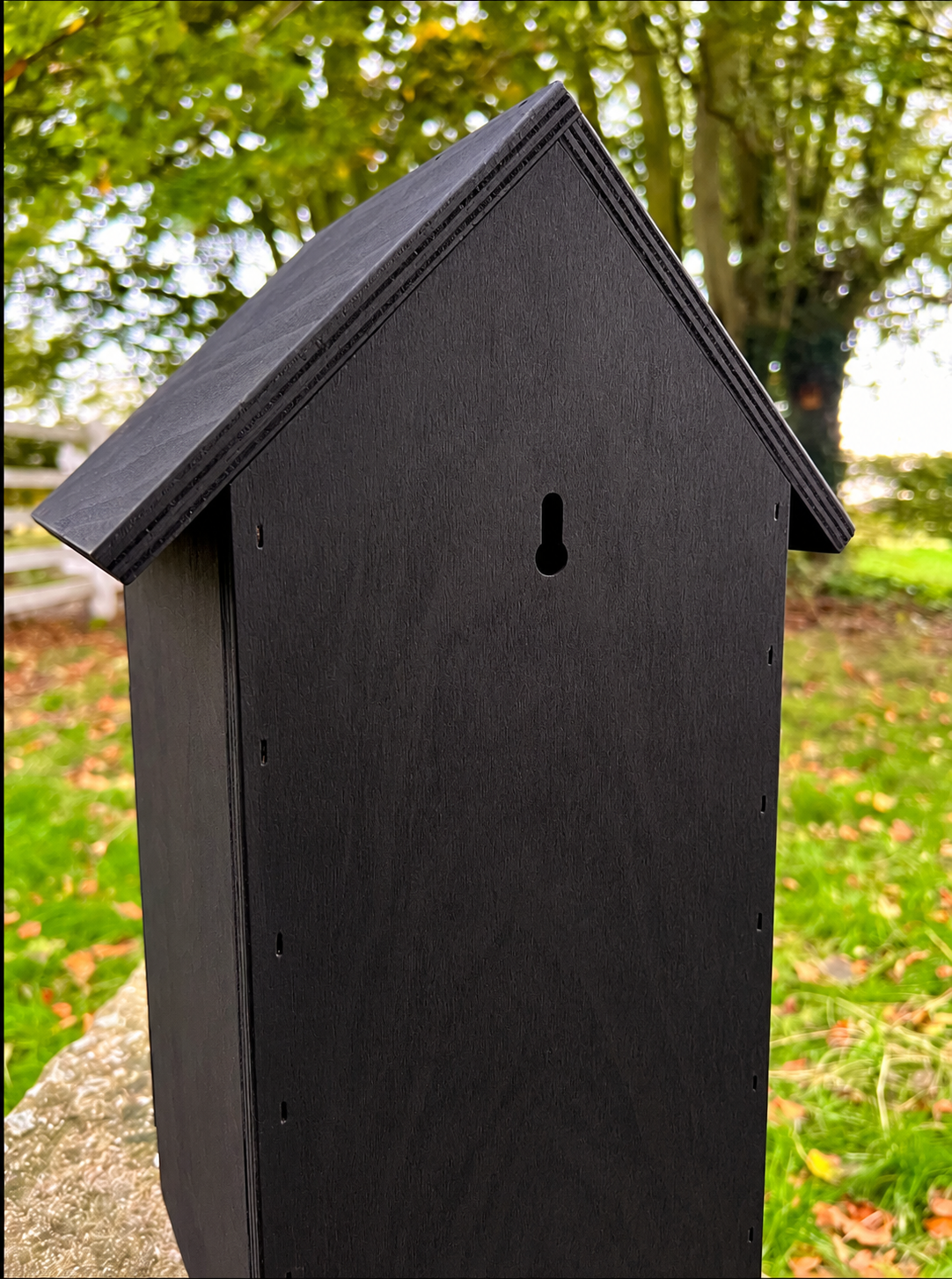
Subscribe to our mailing list
Enter your email address to sign up to our newsletter and receive our latest offers and new releases!

© 2023 Wild Your Garden Ltd. All Rights Reserved. Registered in England and Wales. Company No. 12995106.
Opening Hours
Customer Service Team available:
Monday – Friday – 09:30-16:30
Saturday & Sunday – Closed
Bank Holidays – Closed
Our Christmas opening hours are normal opening times on all dates except Bank Holidays when we will be closed.