

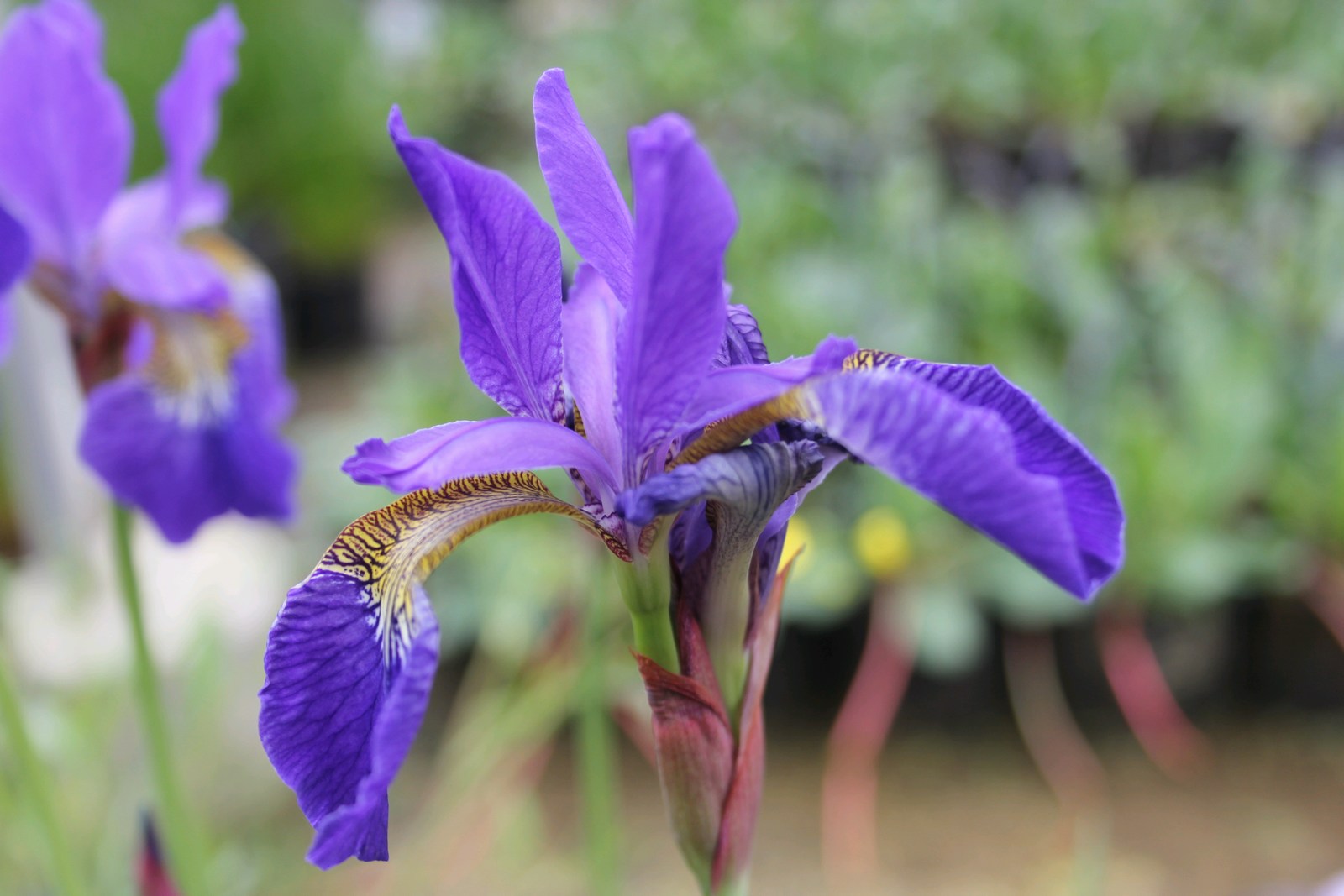


Iris sibirica ‘Siberian flag’
From £12.95
It prefers damp rather than waterlogged soil. keep crown well above water surface. After foliage has died back in Autumn cut back to just above the water surface. If trimming left until spring take care not to damage emerging shoots.

If you are using Joel’s methods, as referenced in the ‘Wild Your Garden’ book and on Joel’s YouTube channel, appropriate marginal plants can be planted in the sub-soil areas around the edge of the pond. In these cases, you will not need to “re-pot” your 9cm pots, as they will go straight into the sub-soil.
However, if you are not using sub-soil and are going for a more formal look, the 9cm pots should be re-planted into an appropriate 1l size container or otherwise before being placed in or around your pond. Container grown marginals should be placed in trays of water so that their roots may absorb the moisture. All sizes and planting depths are a guide only and considerable variation in the depth of water over the soil will be tolerated by most aquatics.
All plants in 1 litre containers and larger are in their final mesh basket and do not require repotting. However, we recommend 9cm plants are re-potted up to a minimum of 1 litre. We sell Finofil aquatic baskets also if you require them.
GENERAL INFORMATION FOR POND PLANTS AND MARGINALS
- Deep Water – plants do not require repotting; there is no need to remove the mesh basket. They can be planted straight into the subsoil per Joel’s method though also.
- Water Lilies – Pygmae Lily & Snow Princess do not require repotting; there is no need to remove the mesh basket. 1ltr lilies require potting into a 3ltr or larger mesh basket. All other size lilies do not require repotting; there is no need to remove the mesh basket. Small lilies will benefit of repotting into a larger mesh basket. Or alternatively again, if following Joel’s method, these can be planted straight into the subsoil.
- Marginals – 9cm marginal plants require potting into a mesh basket or planting straight into the subsoil if using Joel’s method. Place in a pond no deeper than 1/3 maximum recommended planting depth to allow the plants to establish. 1ltr marginal plants do not require repotting; there is no need to remove the mesh basket. Place in pond no deeper than 1/2 maximum recommended planting depth to allow the plants to establish. Plants over 60cm height growth will benefit from repotting into a larger mesh basket or should be planted in gravel or subsoil to prevent them from falling over. 3ltr and 5ltr plants do not require repotting; there is no need to remove the mesh basket. Place on the shelf of the pond at the required depth.
- Damp Ground/Moisture Lover plants – remove the plant from the pot and plant in damp ground, in a hole deep enough to accommodate the root ball.
- Oxygenating plants – 9cm oxygenating plants require potting into a mesh basket or planting into the subsoil per Joel’s method. Place in a pond no deeper than 1/3 maximum recommended planting depth to allow the plants to establish. 1ltr oxygenating plants do not require repotting; there is no need to remove the mesh basket. Place in pond no deeper than 1/2 maximum recommended planting depth to allow the plants to establish. 2ltr oxygenating plants do not require repotting; there is no need to remove the mesh basket. Place on the shelf of the pond at the required depth. We suggest planting 2-3 bunches per 1m².
- Floating species – we suggest 2-3 floating plants per 1m²
Additional information
| Colour | |
|---|---|
| Delivery | |
| Flowering Time | |
| Product Type |
You May Also Like


From £1.60

From £1.60
From £14.95
From £14.95


From £14.95
From £14.95
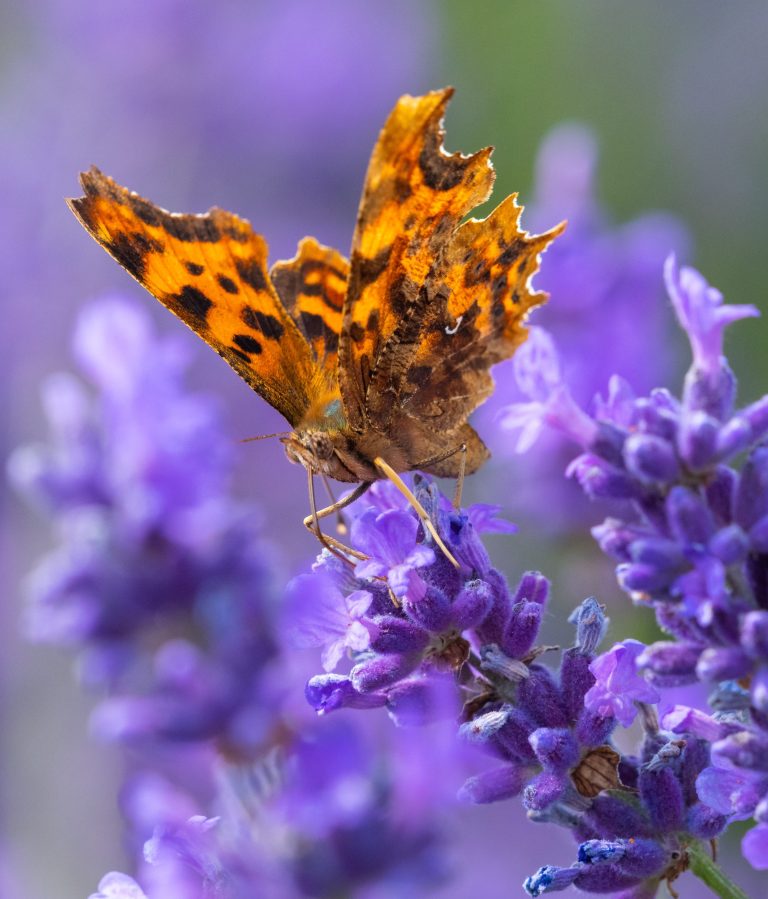
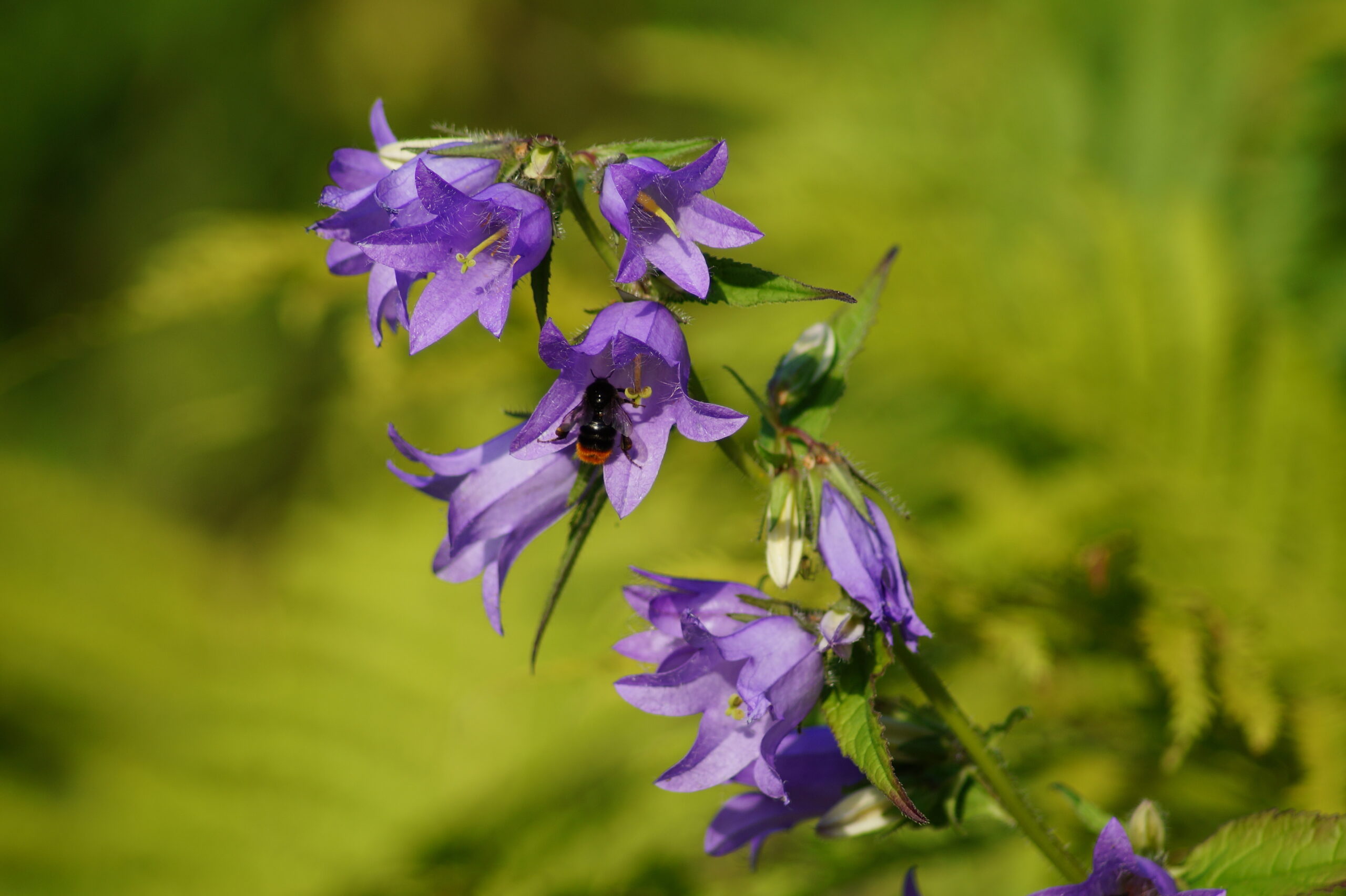
From £14.95
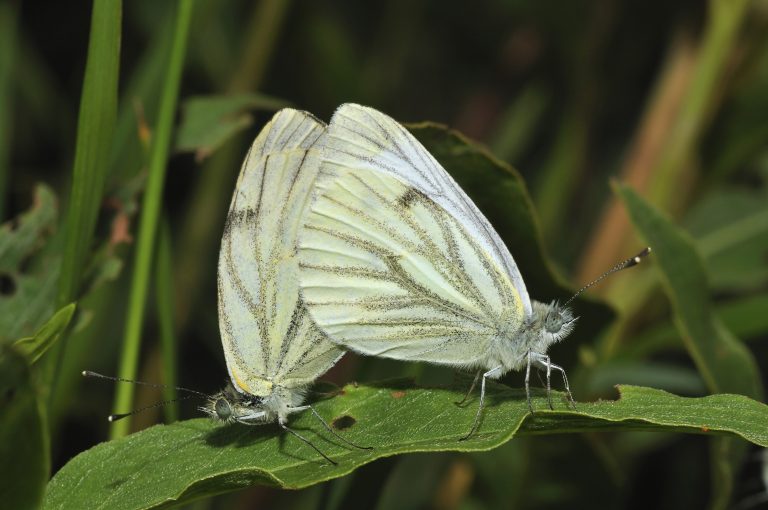
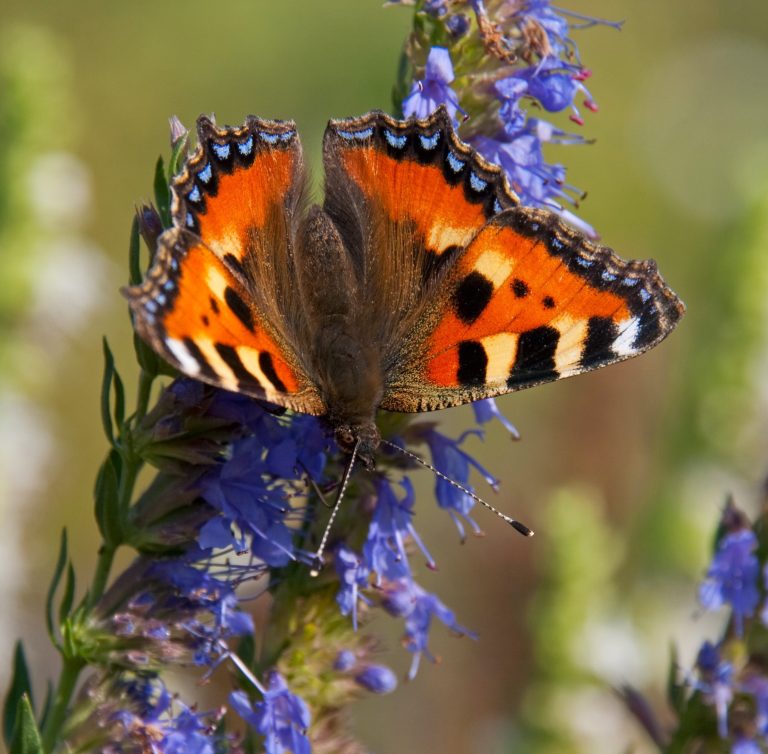

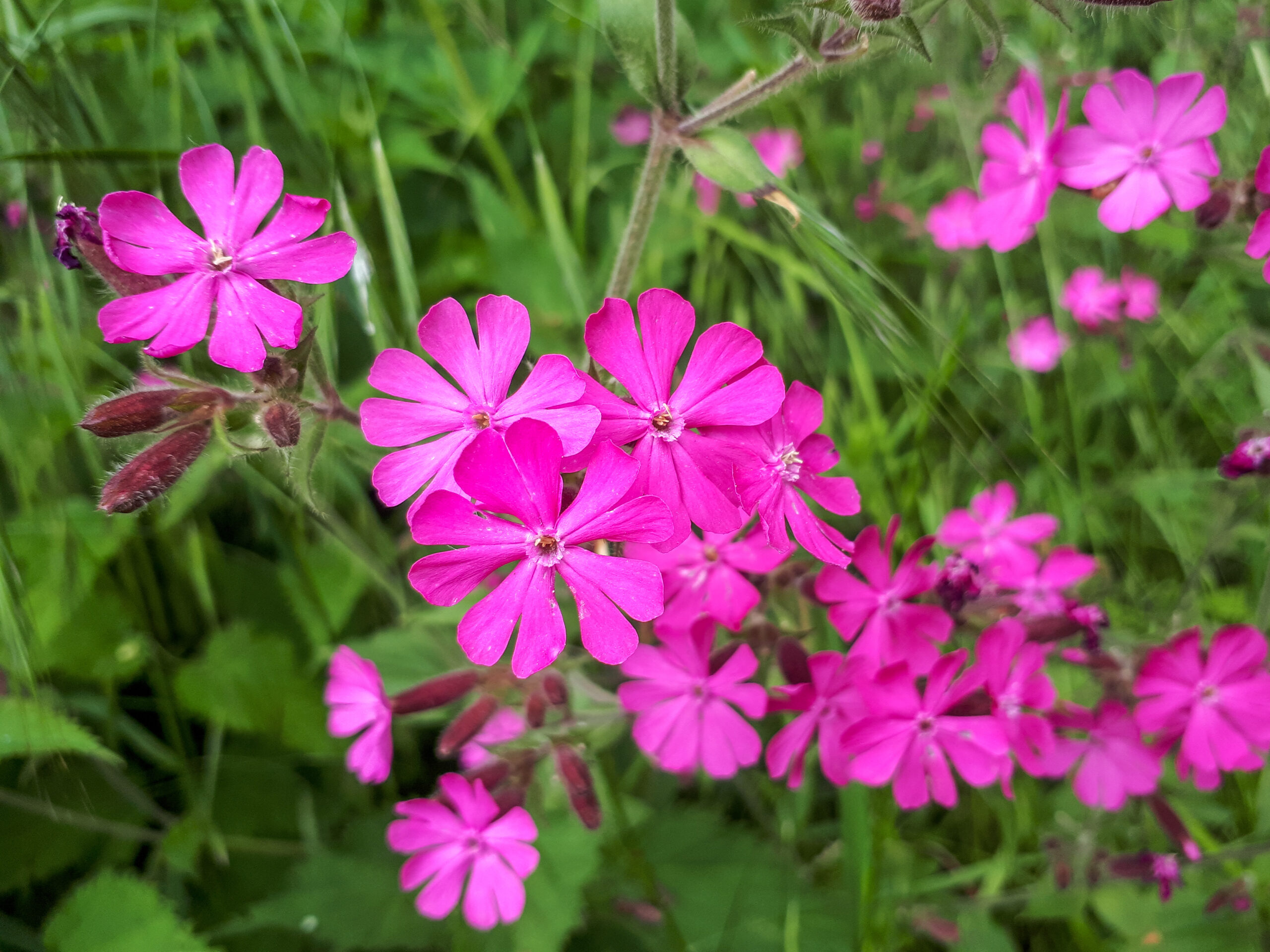
From £14.95
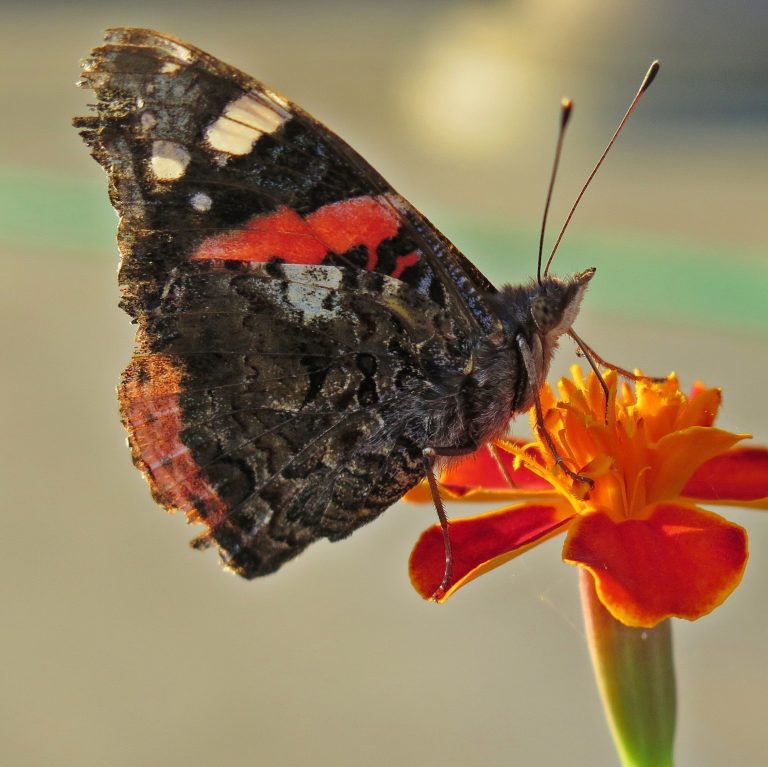
From £14.95

From £14.95
Subscribe to our mailing list
Enter your email address to sign up to our newsletter and receive a code for 5% off your first order!
Minimum spend and exclusions apply.

© 2023 Wild Your Garden Ltd. All Rights Reserved. Registered in England and Wales. Company No. 12995106.
Opening Hours
Customer Service Team available:
Monday – Friday – 09:30-16:30
Saturday & Sunday – Closed
Bank Holidays – Closed
Our Christmas opening hours are normal opening times on all dates except Bank Holidays when we will be closed.