


Narcissus ‘Pipit’ - Fragrant Lemon & Cream Flowers for Spring
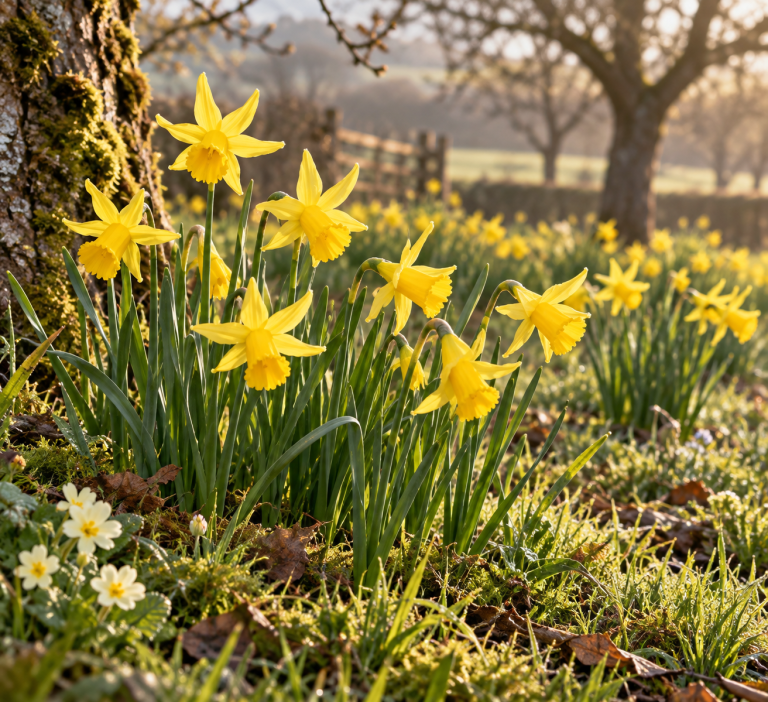
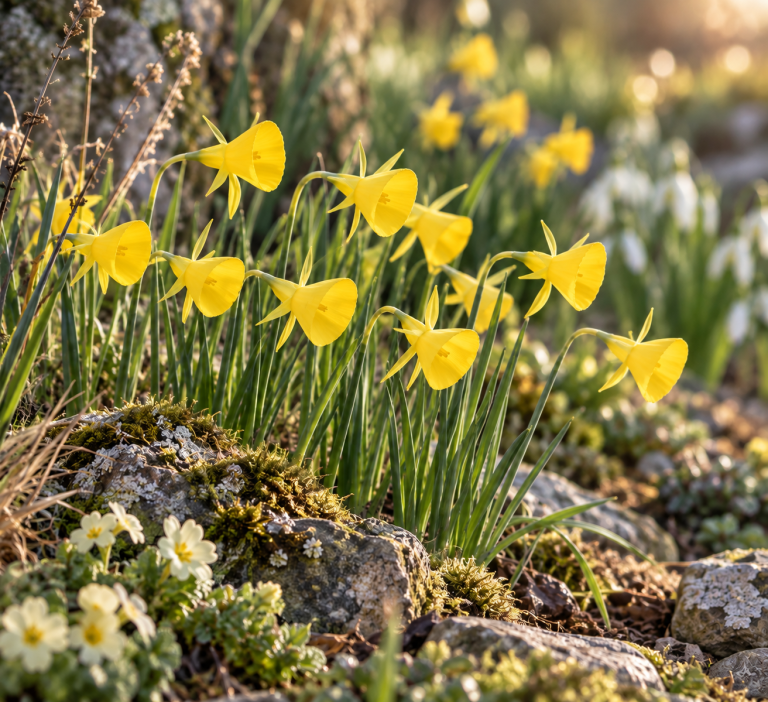
Compact and beautifully fragrant, Narcissus ‘Pipit’ produces up to four flowers on each stem, opening lemon yellow before gradually becoming creamy-white. Its smaller, multi-flowered habit gives it a softer appearance than traditional trumpet daffodils, while its spring flowers can provide useful additional forage for visiting insects.
Joel says… “I like ‘Pipit’ because it doesn't really look like the big daffodils we tend to picture. You get several smaller flowers on a stem and that lovely change from lemon yellow towards cream, so I'd mix it through other spring planting rather than grow it as a formal block.”
More important info below:
From £4.95
Narcissus ‘Pipit’ is a beautifully delicate Jonquilla daffodil, producing clusters of fragrant flowers that change colour as they mature.
Rather than the single large trumpet associated with many traditional daffodils, ‘Pipit’ carries up to four flowers on each stem. The flowers open a fresh lemon yellow, gradually becoming increasingly creamy-white and creating a lovely mixture of soft yellows and creams when several bulbs are planted together.
Growing to around 25 cm tall, it has a much lighter, more informal appearance than many larger daffodil cultivars and works beautifully amongst low spring planting, beneath deciduous shrubs and trees, and through naturalistic borders.
Its combination of fragrance, multiple flowers and relatively simple flower form also makes this a particularly appealing Narcissus for the wildlife-friendly garden.
Wildlife value
‘Pipit’ can provide useful additional nectar and pollen for visiting insects during spring, contributing to the succession of flowers available as the season develops.
Its multiple flowers also distinguish it from many single-flowered daffodils, with established bulbs capable of carrying several fragrant blooms on each stem.
We see ornamental Narcissus such as ‘Pipit’ as additional forage rather than a substitute for native spring flowers. Used alongside native and naturalised plants, carefully selected bulbs can help create gardens in which something useful is flowering across as much of the season as possible.
‘Pipit’ is not native to Britain.
Where to plant
‘Pipit’ works particularly well in:
- naturalistic spring borders
- beneath deciduous shrubs and trees
- informal cottage-style planting
- amongst low-growing spring perennials
- sunny or lightly shaded border edges
- containers and larger troughs
Its relatively compact height makes it especially useful near the front of planting, where its smaller flowers and fragrance can be appreciated.
Plant several bulbs together in loose groups for the best effect rather than spacing individual bulbs formally around the garden.
Planting & care
Plant bulbs in autumn, at approximately one-and-a-half to twice the depth of the bulb.
Choose a position in full sun or partial shade, in reasonably fertile soil that is moist during active growth but well drained.
After flowering, allow the foliage to yellow and die back naturally so that energy can return to the bulb for the following year's display.
Avoid removing or tying up green foliage while it is still actively growing.
Naturalising
‘Pipit’ is a clump-forming perennial bulb and can gradually establish into attractive groups when planted somewhere it is happy.
Rather than creating a regimented display, try planting bulbs in small irregular groups amongst other spring plants, allowing their soft lemon and cream flowers to become part of the wider planting.
Good to know
Flowering: Spring
Height: Around 25 cm
Flowers: Up to four per stem
Flower colour: Lemon yellow, becoming creamy-white as flowers mature
Fragrance: Yes
Position: Full sun or partial shade
Soil: Moist but well-drained to well-drained
Naturalising: Suitable for establishing into clumps
Native to Britain: No
Planting time: Autumn
Like other Narcissus, the bulbs are ornamental and not edible and can be harmful if eaten.
Why Wild Your Garden?
We carefully select bulbs that earn their place in a wildlife-friendly garden - prioritising native and naturalised species where ecological relationships matter most, alongside carefully chosen ornamentals that provide useful additional forage.
Orders are hand-picked for quality and packed in paper wherever suitable, with breathable net packaging used where necessary to keep bulbs in the best possible condition. We work with specialist bulb growers and suppliers, including long-established local growers.
Additional information
| Bulb Quantity | 10 Bulbs, 15 Bulbs, 25 Bulbs, 5 Bulbs |
|---|
You May Also Like
Select options This product has multiple variants. The options may be chosen on the product page


Select options This product has multiple variants. The options may be chosen on the product page

Subscribe to our mailing list
Enter your email address to sign up to our newsletter and receive our latest offers and new releases!

© 2023 Wild Your Garden Ltd. All Rights Reserved. Registered in England and Wales. Company No. 12995106.
Opening Hours
Customer Service Team available:
Monday – Friday – 09:30-16:30
Saturday & Sunday – Closed
Bank Holidays – Closed
Our Christmas opening hours are normal opening times on all dates except Bank Holidays when we will be closed.