


Narcissus ‘February Gold’ - Early Golden-Yellow Daffodil for Naturalising
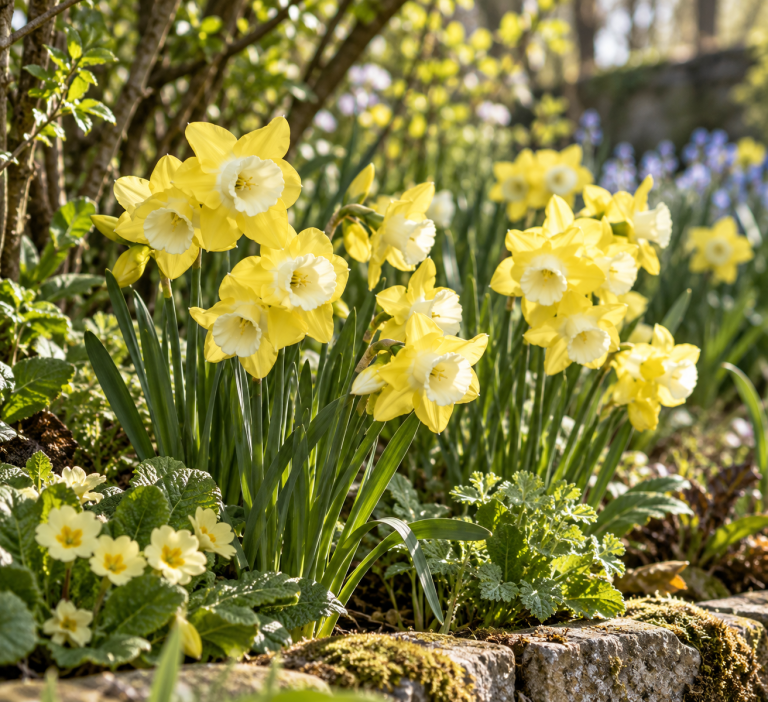
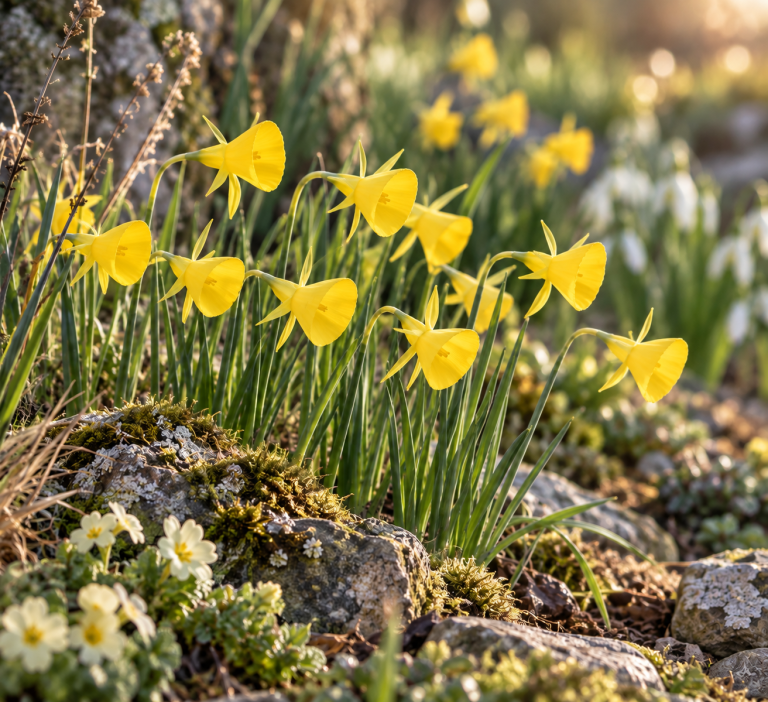
One of the earlier daffodils to flower, Narcissus ‘February Gold’ produces elegant golden-yellow blooms with swept-back petals and long trumpets from late winter into early spring. Excellent for naturalising through grass, beneath deciduous trees and shrubs, on banks and in informal borders, where its early flowers can provide useful additional forage for visiting insects.
Joel says… “I really like early daffodils such as ‘February Gold’ because they start bringing colour back into the garden when there can still be relatively little in flower. Plant them in loose groups through grass or beneath deciduous trees and let them gradually become part of the garden.”
More important info below:
From £4.95
Narcissus ‘February Gold’ is an early-flowering Cyclamineus daffodil, bringing bright golden-yellow flowers to the garden from late winter into early spring.
Its flowers have a particularly elegant shape, with a long trumpet surrounded by narrow petals that sweep backwards away from the centre. Growing to around 25–30 cm tall, it has considerably more presence than the tiny species Narcissus while retaining a light, graceful appearance.
‘February Gold’ is particularly useful for naturalistic planting, where groups can be allowed to establish through grass, beneath deciduous trees and shrubs, along banks or amongst other early-spring plants.
Despite its wonderfully optimistic name, flowering time will vary according to weather and location - in colder gardens its main display may extend into March. What matters is that ‘February Gold’ is one of the earlier Narcissus to flower, helping extend the season at precisely the time when every new flower in the garden feels significant.
Wildlife value
Late winter and early spring can still offer relatively few flowering plants, making a good succession of early bulbs valuable in a wildlife-friendly garden.
The flowers of ‘February Gold’ can provide useful additional nectar and pollen for visiting insects emerging and becoming active during mild spells.
It is not native to Britain, so we regard it as a carefully chosen ornamental rather than a substitute for native spring flora. Planted alongside native and naturalised early flowers, however, its early flowering period can help broaden the availability of forage within the garden.
Where to plant
‘February Gold’ works particularly well in:
- short or seasonally unmown grass
- beneath deciduous trees and shrubs
- orchards and informal lawns
- sunny banks and verges
- naturalistic borders
- amongst other early-flowering bulbs and perennials
For the most natural effect, plant bulbs in loose groups and drifts rather than evenly spaced rows.
Planting & care
Plant the bulbs in autumn, approximately 10-15 cm deep and around 8-10 cm apart.
Choose a position in full sun or light/partial shade with reasonably well-drained soil. Beneath deciduous trees can work particularly well, as the bulbs receive plenty of light early in the year before the canopy fully develops.
After flowering, allow the foliage to yellow and die back naturally. If planted through grass, avoid mowing the foliage while it remains green so the bulbs have time to replenish their reserves for the following year.
Naturalising
‘February Gold’ is an excellent choice for naturalising, gradually creating larger displays where conditions suit it.
This makes it particularly attractive for wildlife gardens where bulbs can become part of a longer-lived planting scheme rather than being treated simply as a temporary seasonal display.
Good to know
Flowering: Late winter to early spring
Height: Around 25-30 cm
Position: Full sun or light/partial shade
Soil: Well-drained
Flower colour: Golden yellow
Type: Cyclamineus daffodil
Naturalising: Yes
Native to Britain: No
Planting time: Autumn
Flowering time varies with weather, location and season, so the name ‘February Gold’ shouldn't be taken as a guarantee of February flowers in every garden.
Like other Narcissus, the bulbs are ornamental and not edible and can be harmful if eaten.
Why Wild Your Garden?
We carefully select bulbs that earn their place in a wildlife-friendly garden - prioritising native and naturalised species where ecological relationships matter most, alongside carefully chosen ornamentals that provide useful additional forage.
Orders are hand-picked for quality and packed in paper wherever suitable, with breathable net packaging used where necessary to keep bulbs in the best possible condition. We work with specialist bulb growers and suppliers, including long-established local growers.
Additional information
| Bulb Quantity | 10 Bulbs, 15 Bulbs, 25 Bulbs, 5 Bulbs |
|---|
You May Also Like
Select options This product has multiple variants. The options may be chosen on the product page


Select options This product has multiple variants. The options may be chosen on the product page

Subscribe to our mailing list
Enter your email address to sign up to our newsletter and receive our latest offers and new releases!

© 2023 Wild Your Garden Ltd. All Rights Reserved. Registered in England and Wales. Company No. 12995106.
Opening Hours
Customer Service Team available:
Monday – Friday – 09:30-16:30
Saturday & Sunday – Closed
Bank Holidays – Closed
Our Christmas opening hours are normal opening times on all dates except Bank Holidays when we will be closed.