


Early Crocus (Crocus tommasinianus) - Naturalising Bulbs for Early Spring Colour
Welcome the first signs of spring with Crocus tommasinianus, a delicate species crocus producing beautiful lilac-violet flowers from late winter into early spring.
Perfect for naturalising beneath deciduous trees, through lawns and grass and in wildlife-friendly borders, its flowers provide a useful source of early pollen and nectar when relatively few other plants are blooming.
Joel says: “Crocuses are wonderful planted in generous drifts rather than little formal groups. Put them beneath deciduous trees or through grass, let them naturalise, and they can become one of those displays you look forward to every spring.”
🪴 Supplied as quality dormant corms ready for autumn planting. More important info below:
From £3.95
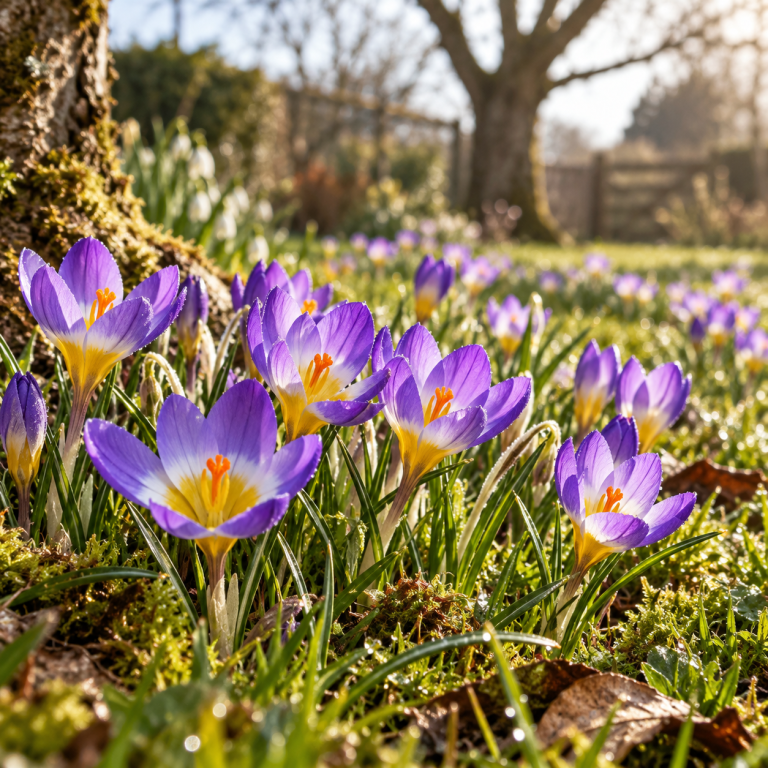
Crocus tommasinianus, often known as the Early Crocus or Tommasini’s Crocus, is a beautiful species crocus producing delicate lilac to soft violet flowers from late winter into early spring.
Appearing when much of the garden is only just beginning to wake, its slender flowers open in sunshine to reveal bright orange-yellow stamens, creating wonderful pools of early colour beneath deciduous trees, through lawns and grass, and at the front of wildlife-friendly borders.
Originally native to parts of south-eastern Europe rather than Britain, Crocus tommasinianus has become a much-loved naturalising bulb in UK gardens. Given suitable conditions, it can gradually spread to create increasingly beautiful colonies year after year.
Wildlife value
One of the greatest wildlife benefits of Crocus tommasinianus is its exceptionally early flowering period.
On mild, sunny days in late winter and early spring, queen bumblebees and other early-active pollinating insects may already be searching for food. Crocus flowers provide accessible pollen and nectar during this period when the range of other flowers available can still be limited.
As with all our carefully selected non-native bulbs, we see Crocus tommasinianus as useful supplementary forage alongside native early-flowering plants, rather than a replacement for them.
For a wildlife garden with flowers available across as much of the year as possible, species crocuses can help fill that important transition between winter and the main flush of spring flowering.
Planting & care
Position: Full sun or light/dappled shade. Particularly effective beneath deciduous trees and shrubs where the flowers receive plenty of light before the canopy develops.
Soil: Fertile, reasonably well-drained soil. Avoid positions that remain persistently waterlogged.
Planting depth: Approximately 7-10cm deep.
Spacing: Approximately 5-8cm apart, or plant more closely in informal groups for a quicker naturalised effect.
Height: Approximately 8-12cm.
Flowering period: Usually February to March, depending on location and weather.
Aftercare: Allow the foliage to yellow and die back naturally after flowering. This allows the corms to replenish their reserves for the following year.
If growing through grass, avoid mowing the foliage until it has naturally begun to die back.
Perfect for naturalising
Crocus tommasinianus really comes into its own when planted in quantity.
Rather than spacing individual bulbs formally, plant them in loose groups and drifts beneath deciduous trees, through areas of lawn or grass, along woodland edges or between other low-growing spring plants.
For a particularly natural appearance, gently scatter the corms over the chosen area and plant them approximately where they fall.
Once established in favourable conditions, Crocus tommasinianus can spread by offsets and seed, gradually producing those wonderful informal carpets of crocuses associated with established gardens.
Try combining it with Winter Aconites, snowdrops, native primroses and other early woodland flowers to create a succession of colour and forage as winter gives way to spring.
A note about squirrels 🐿️
Like other crocuses, freshly planted corms can occasionally attract the attention of squirrels and other animals investigating disturbed soil.
Planting at the recommended depth, firming the soil afterwards and avoiding leaving obvious bulb debris on the surface can help. Where squirrels are particularly persistent, temporarily securing mesh over newly planted areas can provide additional protection until the ground has settled.
SAFETY NOTE
Crocus tommasinianus is an ornamental crocus and should not be eaten. Keep corms and plant material away from children and pets likely to ingest them, and wash hands after handling.
Why Wild Your Garden?
We carefully select bulbs that earn their place in a wildlife-friendly garden - prioritising native and naturalised species where ecological relationships matter most, alongside carefully chosen ornamentals that provide useful additional forage.
Orders are hand-picked for quality and packed in paper wherever suitable, with breathable net packaging used where necessary to keep bulbs in the best possible condition.
We work with specialist bulb growers and suppliers, including long-established local growers.
Additional information
| Bulb Quantity | 10 Bulbs, 15 Bulbs, 25 Bulbs, 50 Bulbs |
|---|
You May Also Like
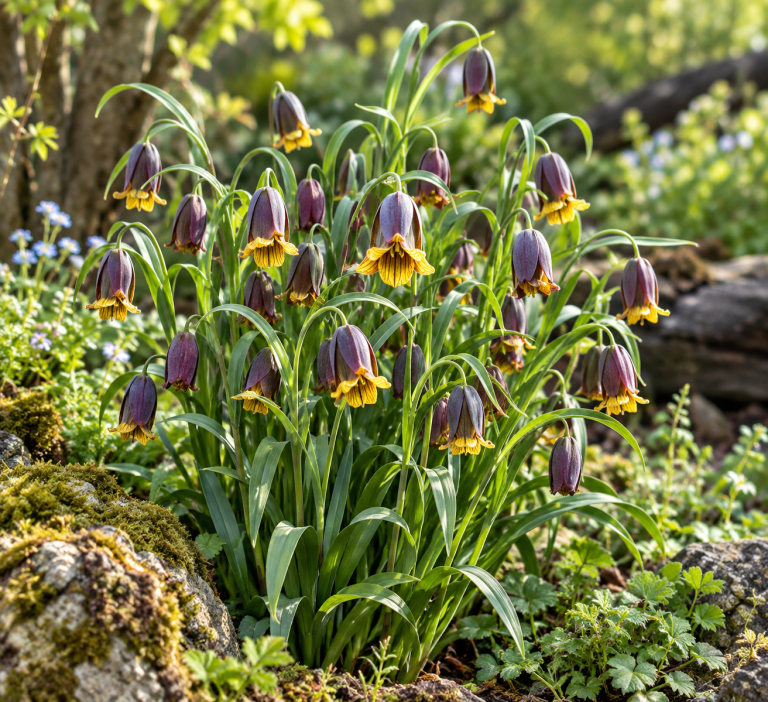
Select options This product has multiple variants. The options may be chosen on the product page
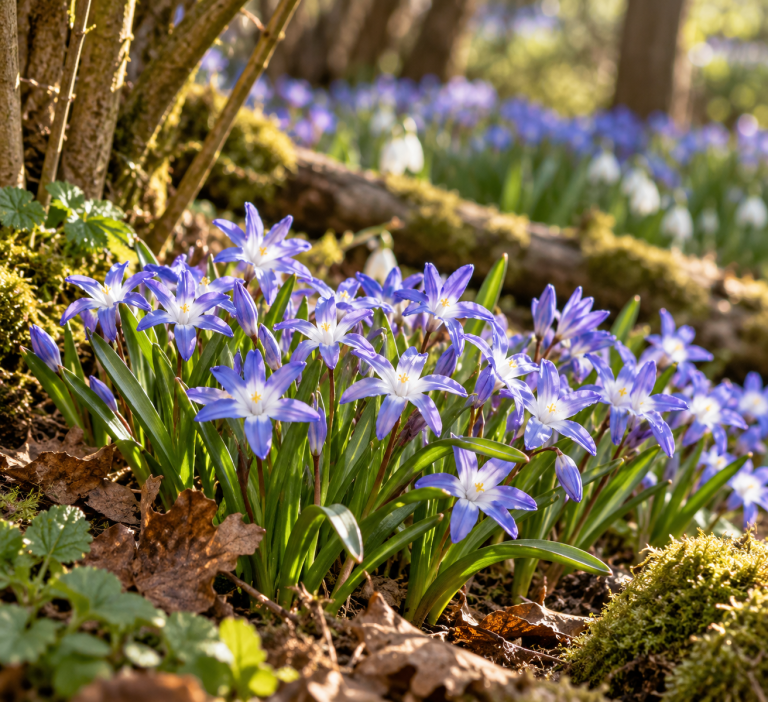
Select options This product has multiple variants. The options may be chosen on the product page
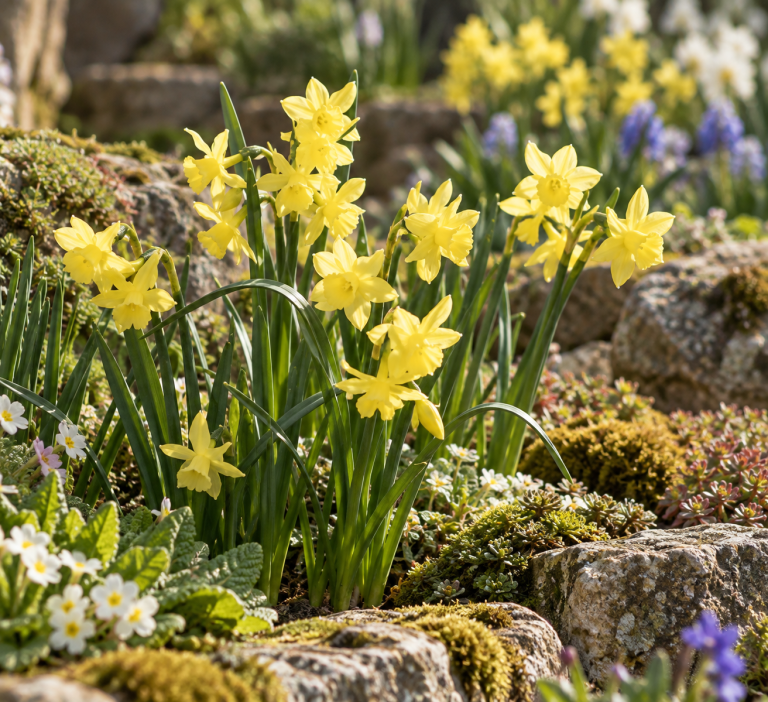
Select options This product has multiple variants. The options may be chosen on the product page
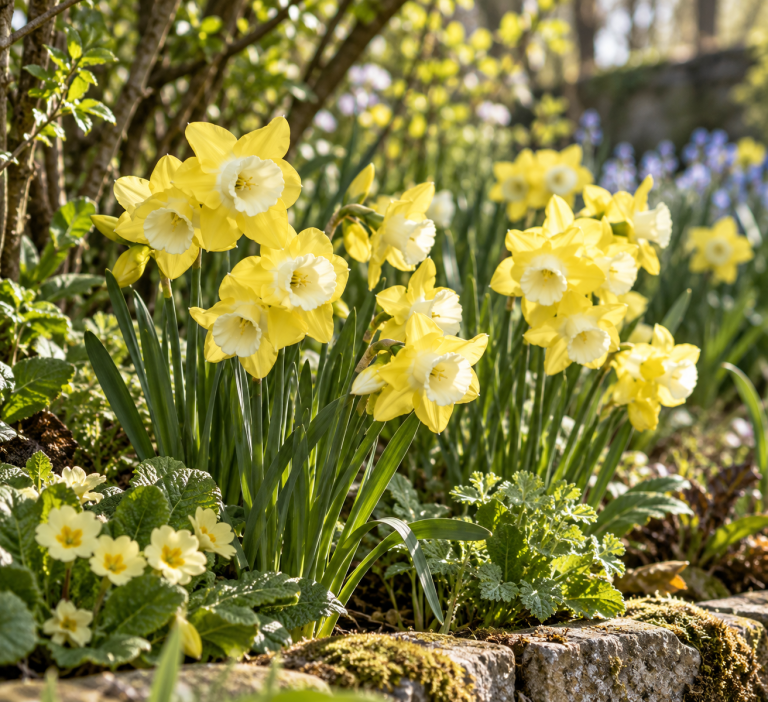
Select options This product has multiple variants. The options may be chosen on the product page
Select options This product has multiple variants. The options may be chosen on the product page
Select options This product has multiple variants. The options may be chosen on the product page
Select options This product has multiple variants. The options may be chosen on the product page
Select options This product has multiple variants. The options may be chosen on the product page
Select options This product has multiple variants. The options may be chosen on the product page
Select options This product has multiple variants. The options may be chosen on the product page

Select options This product has multiple variants. The options may be chosen on the product page

Select options This product has multiple variants. The options may be chosen on the product page
Subscribe to our mailing list
Enter your email address to sign up to our newsletter and receive our latest offers and new releases!

© 2023 Wild Your Garden Ltd. All Rights Reserved. Registered in England and Wales. Company No. 12995106.
Opening Hours
Customer Service Team available:
Monday – Friday – 09:30-16:30
Saturday & Sunday – Closed
Bank Holidays – Closed
Our Christmas opening hours are normal opening times on all dates except Bank Holidays when we will be closed.