



Dogwood (Cornus sanguinea) - Native Wildlife Shrub (Potted - 2 Litre)
A resilient native shrub with strong year-round wildlife value.
Dogwood supports pollinators, moth caterpillars and birds, while providing shelter, structure and autumn colour.
Supplied in a 2L pot, ready to establish naturally.
Joel says…
“Dogwood is one of those plants that quietly holds things together. It feeds insects, shelters birds and gives structure right through winter. It’s not flashy - but wildlife doesn’t need flashy. It needs reliable.”
£10.95
Dogwood is a quietly powerful native shrub - one that works hard for wildlife across the seasons while asking very little in return.
In late spring and early summer, Cornus sanguinea produces flat clusters of creamy white flowers that are rich in nectar and pollen, attracting bees, hoverflies and beetles. The foliage supports moth caterpillars, and as the year turns, the shrub comes into its own again - producing dark berries taken by birds and mammals.
As autumn arrives, Dogwood’s leaves flush deep red and purple, and its stems take on rich wine-coloured tones, adding structure and interest at a time when many plants fade. Dense growth provides shelter and nesting opportunities, while leaf litter feeds soil life below.
Supplied in a 2L pot, grown peat-free and without pesticides, this native Dogwood is ideal for hedges, boundaries and wildlife-focused planting where year-round value matters more than showy flowers.
Why Dogwood matters
Dogwood supports wildlife in multiple ways:
• nectar and pollen for insects
• larval food for moth caterpillars
• berries for birds in autumn
• dense cover for nesting and shelter
• winter structure and colour in wild plantings
It’s a connector plant - linking hedges, margins and woodland edges into functional wildlife corridors.
Where to plant
Dogwood is adaptable and resilient.
It thrives in:
• sun or partial shade
• most soil types, including heavier soils
• hedgerows, boundaries and wild margins
• larger gardens and naturalistic planting schemes
It responds well to occasional pruning if needed, but also looks best when allowed to develop a natural shape.
Additional information
You May Also Like
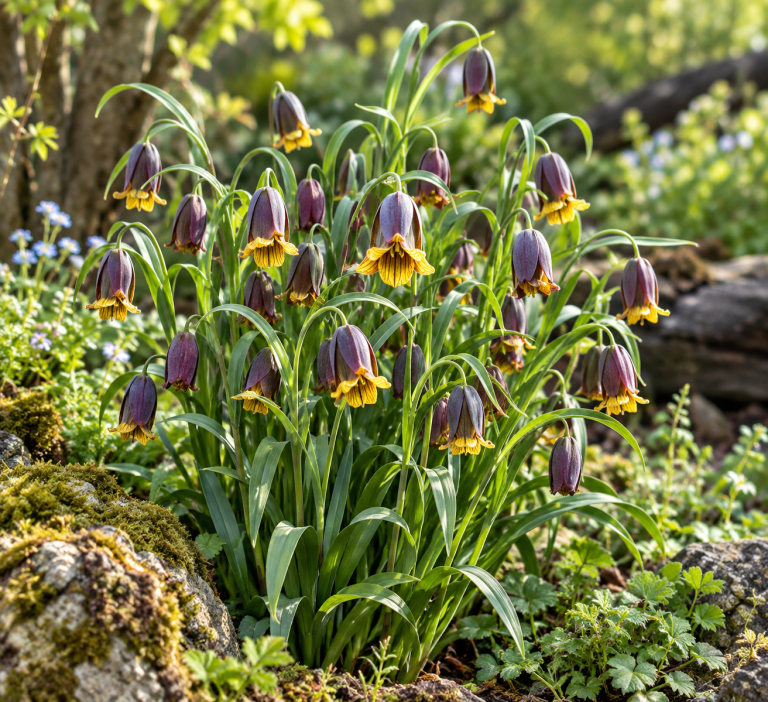
Select options This product has multiple variants. The options may be chosen on the product page
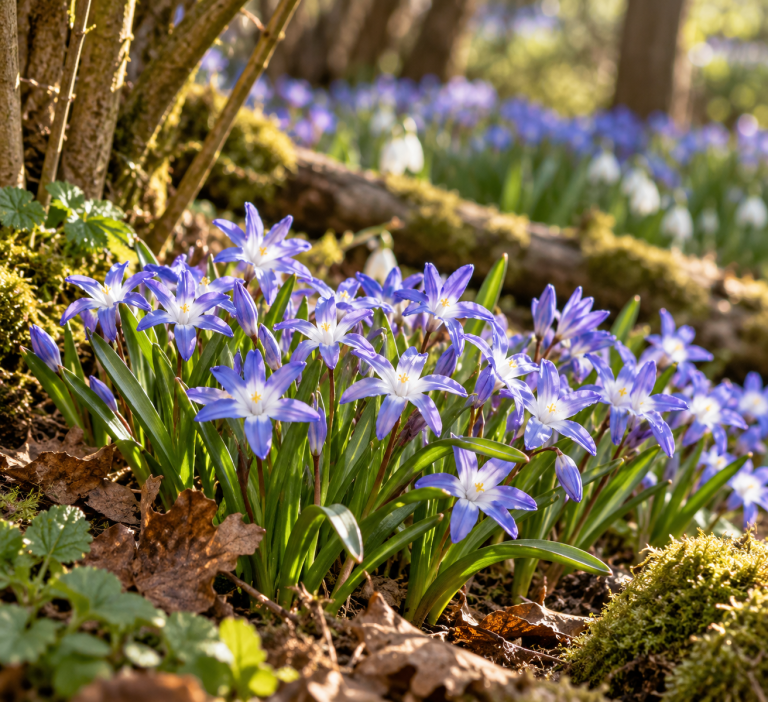
Select options This product has multiple variants. The options may be chosen on the product page
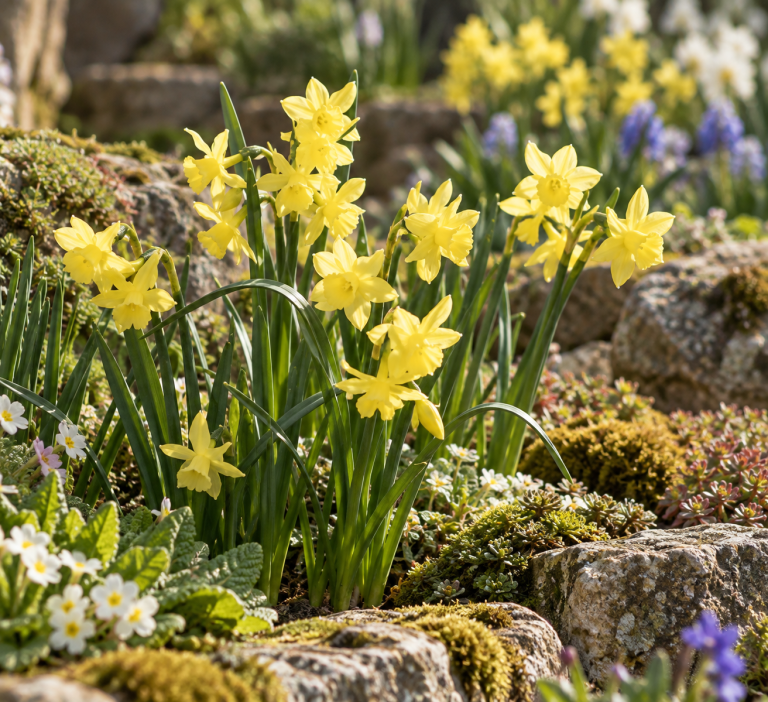
Select options This product has multiple variants. The options may be chosen on the product page
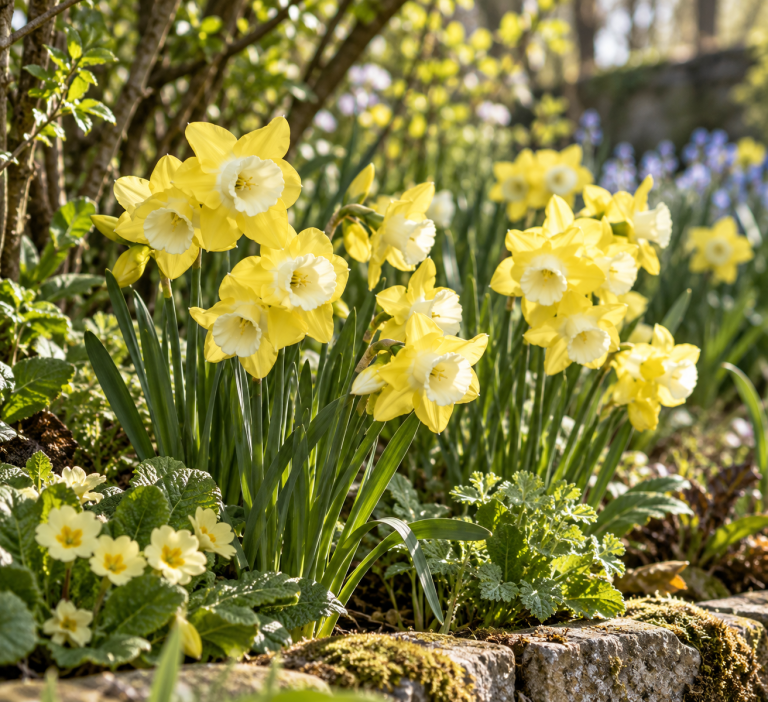
Select options This product has multiple variants. The options may be chosen on the product page
Select options This product has multiple variants. The options may be chosen on the product page
Select options This product has multiple variants. The options may be chosen on the product page
Select options This product has multiple variants. The options may be chosen on the product page
Select options This product has multiple variants. The options may be chosen on the product page
Select options This product has multiple variants. The options may be chosen on the product page
Select options This product has multiple variants. The options may be chosen on the product page

Select options This product has multiple variants. The options may be chosen on the product page

Select options This product has multiple variants. The options may be chosen on the product page
Subscribe to our mailing list
Enter your email address to sign up to our newsletter and receive our latest offers and new releases!

© 2023 Wild Your Garden Ltd. All Rights Reserved. Registered in England and Wales. Company No. 12995106.
Opening Hours
Customer Service Team available:
Monday – Friday – 09:30-16:30
Saturday & Sunday – Closed
Bank Holidays – Closed
Our Christmas opening hours are normal opening times on all dates except Bank Holidays when we will be closed.