



Dog Rose (Rosa canina) - Native Wildlife Rose - 2 Litre Pot
A classic native wild rose with huge wildlife value.
Dog Rose supports pollinators, moths, birds and small mammals across the seasons, with open flowers, dense shelter and winter hips. Supplied in a 2L pot, ready to establish as part of a hedge, boundary or wild planting.
Joel says…
“Dog Rose is one of those plants people overlook because it’s ‘common’. But common doesn’t mean unimportant. This is one of the wild roses that modern garden roses were bred from - and unlike many of its descendants, it still feeds insects, shelters birds and produces hips that matter. If you want a rose that really earns its place, this is where it all began.” More info below:
£10.95
The Dog Rose is one of Britain’s most important native wild roses - not because it’s flashy, but because it works.
This vigorous, scrambling shrub supports an extraordinary range of wildlife across the seasons: insects, birds, mammals and pollinators all rely on it in different ways, at different times of year. From early pollinators visiting its open flowers, to birds feeding on hips deep into winter, Dog Rose earns its place in any wildlife garden.
Unlike heavily bred garden roses, Rosa canina retains its natural form, simple flowers and ecological value. Its single, open blooms are rich in pollen and accessible to bees, hoverflies and beetles, while the foliage supports moth caterpillars and other invertebrates.
Later in the year, the vivid red hips provide a vital food source for birds and small mammals - and a visual reminder that wildlife gardening doesn’t end when flowering stops.
Supplied in a 2L pot, this Dog Rose is ready to establish quickly and grow into a long-lived, resilient feature.
Why Dog Rose matters
Dog Rose supports wildlife in ways many ornamental shrubs simply don’t:
• open, pollen-rich flowers for insects
• larval food for moth caterpillars
• dense growth for nesting and shelter
• hips for birds through autumn and winter
• thorny structure that offers protection from predators
It’s a hedge-builder, a climber, a connector - weaving through hedgerows, fences and scrubby corners where wildlife feels safest.
Where to plant
Dog Rose is adaptable and forgiving. It thrives in:
• sun or light shade
• poor to moderately fertile soils
• hedgerows, boundaries and wild margins
• fences, arches and informal supports
It doesn’t need rich compost or careful pampering. In fact, it performs best when allowed to grow naturally rather than tightly controlled.
Additional information
You May Also Like
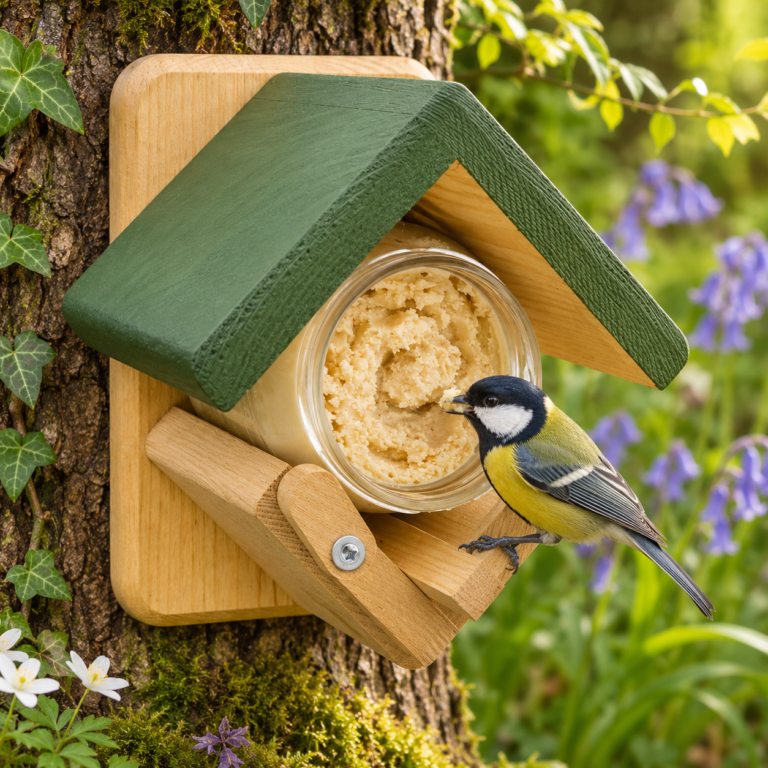
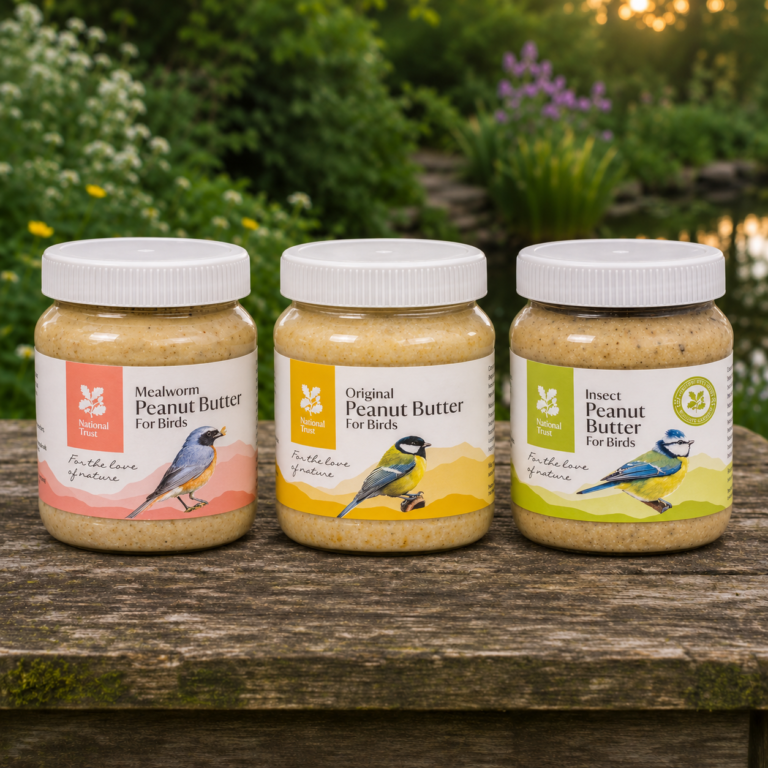
Select options This product has multiple variants. The options may be chosen on the product page
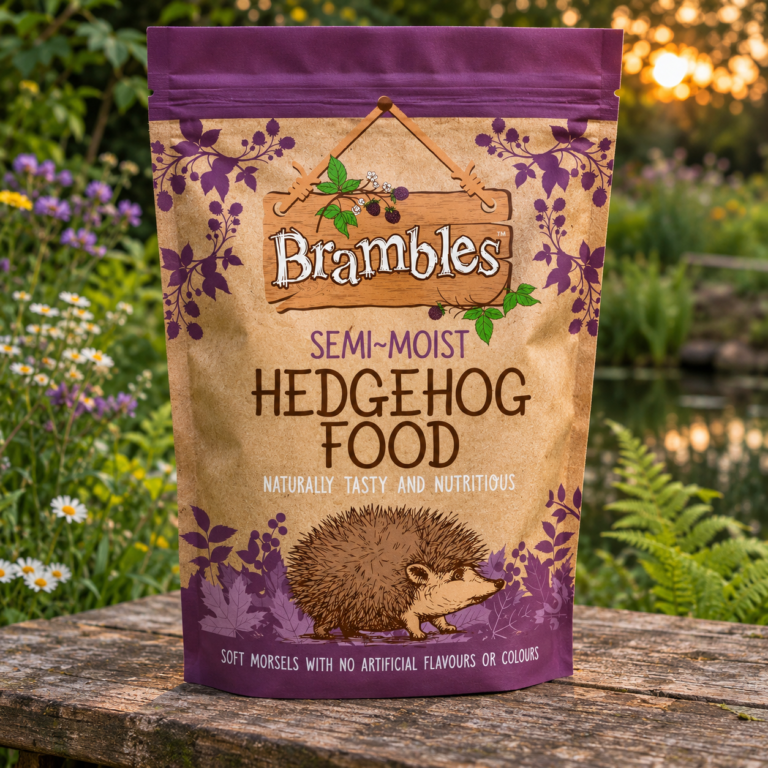

Select options This product has multiple variants. The options may be chosen on the product page

Subscribe to our mailing list
Enter your email address to sign up to our newsletter and receive our latest offers and new releases!

© 2023 Wild Your Garden Ltd. All Rights Reserved. Registered in England and Wales. Company No. 12995106.
Opening Hours
Customer Service Team available:
Monday – Friday – 09:30-16:30
Saturday & Sunday – Closed
Bank Holidays – Closed
Our Christmas opening hours are normal opening times on all dates except Bank Holidays when we will be closed.