



Devil’s-bit Scabious (Succisa pratensis) - Late Nectar for Bees & Butterflies; Damp Meadows (Peat-Free, Pesticide-Free, UK Native)
From £2.40
A beautiful UK native with lilac-blue pincushion flowers from late summer into autumn, when nectar is scarce. Loved by bees, hoverflies, and butterflies (a key nectar source and larval food for species including the Marsh Fritillary where present). Forms neat clumps with slender, branching stems 40-60 cm tall and basal rosettes that knit naturally through meadow grass, damp borders and pond-adjacent ground (not aquatic). Long flowering window, excellent for extending pollinator support into autumn.
Where it thrives
Light: Full sun to light/partial shade
Moisture/Zone: Moist, low-nutrient meadows/borders; suits pond-collar soils that don’t sit under water; prefers neutral to slightly acidic loam
Setting: Meadow mixes, wildlife borders, rain-garden edges, path verges; companion with oxeye daisy, knapweed, meadow grasses, and sedges
Planting & care
-
Plant in peat-free mineral/loam soils; avoid rich fertilisers (flowers best on lean ground)
-
Keep evenly moist while establishing; tolerates brief summer drying once rooted, but avoid drought
-
Deadhead for extended bloom or leave seedheads for self-sowing and winter structure
-
Cut back meadows once in late summer/autumn after seed drop; remove arisings
Safety (important & honest):
Ornamental use only - do not ingest. Generally considered low-risk; wash hands after gardening. Keep plant material and soil out of natural watercourses.
Truth-first wildlife note:
Dislikes prolonged drought and heavy shade. Best on moist, unrich soils; overly fertile beds lead to floppy growth and fewer flowers. Slow but steady to establish - worth the wait for late nectar.
Joel says…
“Thread scabious through damp meadow edges so its blue buttons carry the season into autumn. Keep soils lean and you’ll get stronger stems and more flowers.”
Additional information
| Product Size | Super Plugs, 9cm Pot |
|---|
You May Also Like
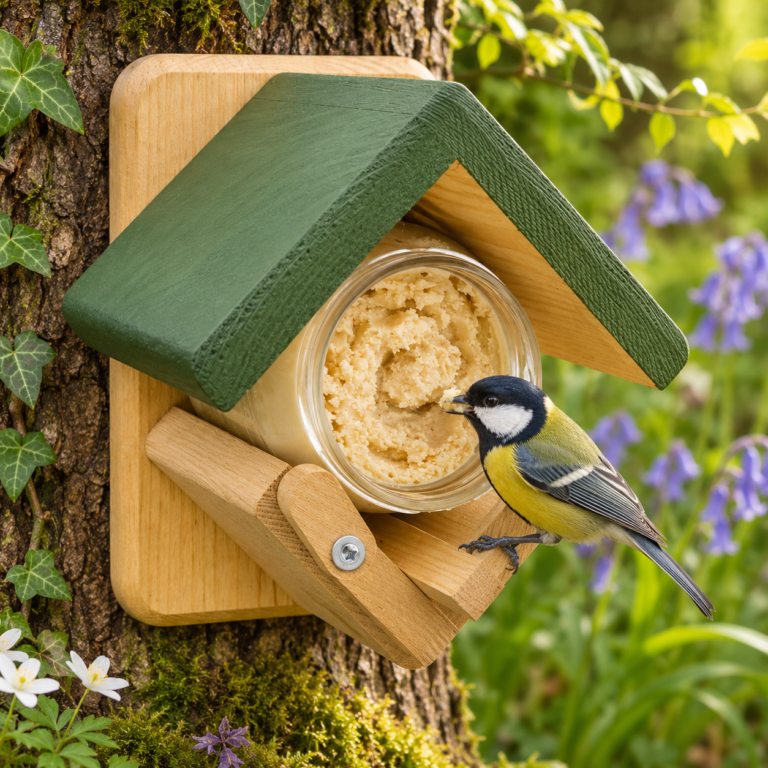
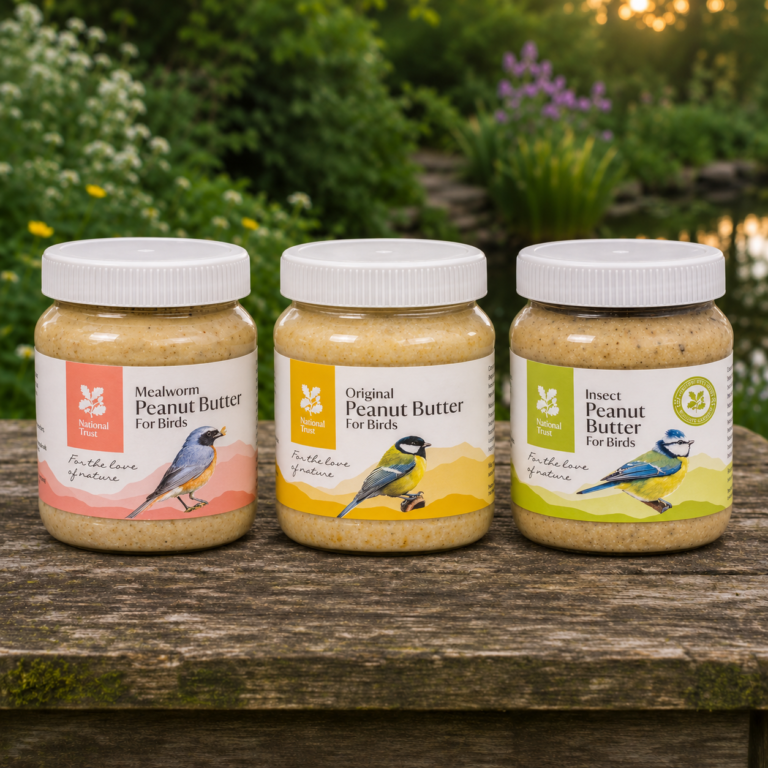
Select options This product has multiple variants. The options may be chosen on the product page
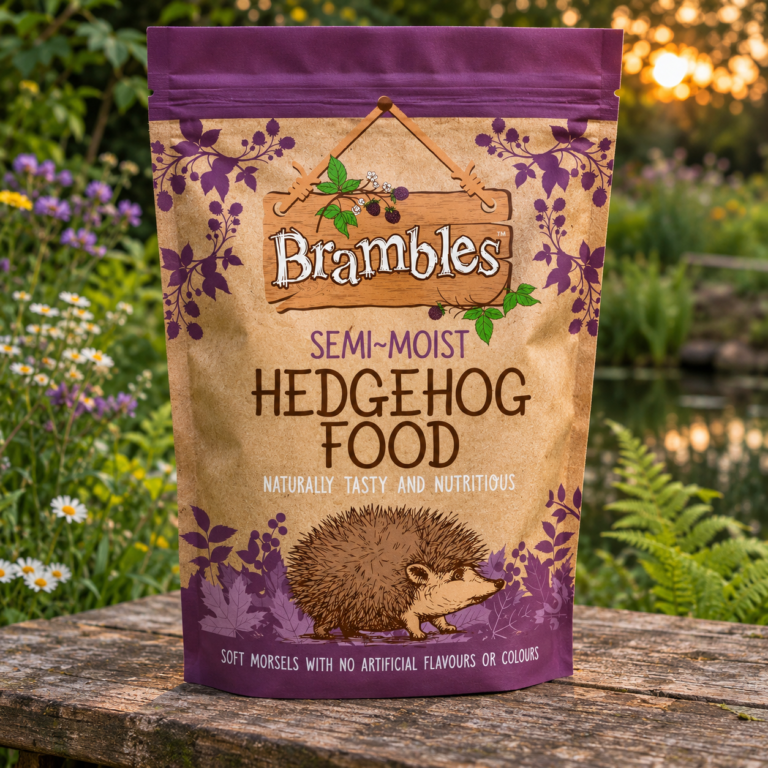

Select options This product has multiple variants. The options may be chosen on the product page

Subscribe to our mailing list
Enter your email address to sign up to our newsletter and receive our latest offers and new releases!

© 2023 Wild Your Garden Ltd. All Rights Reserved. Registered in England and Wales. Company No. 12995106.
Opening Hours
Customer Service Team available:
Monday – Friday – 09:30-16:30
Saturday & Sunday – Closed
Bank Holidays – Closed
Our Christmas opening hours are normal opening times on all dates except Bank Holidays when we will be closed.