


Camassia leichtlinii ‘Alba’ (White Great Camas) - Tall White Flowers for Naturalistic Planting
Elegant Camassia leichtlinii ‘Alba’ (White Great Camas) produces tall spikes of creamy-white to pure white, star-shaped flowers in late spring and early summer.
Its open flowers can provide nectar and pollen for visiting insects, while the tall flower spikes work beautifully through grasses, naturalistic borders and moisture-retentive planting.
The pale flowers are especially effective among fresh green foliage and can remain wonderfully visible as evening light begins to fade.
Joel says…
“White Camassias are beautiful threaded through naturalistic planting. Rather than putting them in a formal clump, scatter several groups through grasses and perennials and let those white flower spikes appear between everything else.”
More important information available below.
From £4.50
Elegant, architectural and beautifully natural in informal planting, Camassia leichtlinii ‘Alba’ is the white-flowered form of Great Camas, producing tall spikes of creamy-white to pure white, star-shaped flowers in late spring and early summer.
The flowers open progressively along upright stems above broad, fresh green foliage, creating striking vertical accents without making a planting scheme feel formal or overly designed.
Growing to around 70-100 cm tall in favourable conditions, ‘Alba’ is particularly beautiful threaded through grasses and herbaceous perennials, where its pale flowers seem to float above surrounding planting.
The open flowers can also provide nectar and pollen for visiting insects, adding another source of forage as the garden moves from spring into early summer.
Wildlife value
The open, star-shaped flowers of Camassia leichtlinii ‘Alba’ allow visiting insects access to nectar and pollen.
Its late-spring to early-summer flowering period makes it useful as part of a succession of flowering plants, helping to maintain forage as many of the earliest spring bulbs finish and summer perennials begin to take over.
Great Camas is not native to Britain. It originates from western North America, and we wouldn't suggest it as a substitute for native plants with established ecological relationships here.
Instead, ‘Alba’ is included as a carefully chosen ornamental that combines beautiful naturalistic planting potential with useful additional forage for visiting insects.
Where to plant
Choose a position in full sun or partial shade, ideally in fertile, moisture-retentive soil that does not remain permanently waterlogged.
‘Alba’ works particularly well in:
- naturalistic perennial borders
- informal wildlife gardens
- meadow-style planting
- moisture-retentive borders
- woodland-edge planting
- beneath open deciduous trees and shrubs
- pondside planting above the permanently wet margin
- white or pale-toned planting schemes
The white flowers are particularly effective emerging through fresh spring greens, grasses and contrasting darker foliage.
They can also remain visually prominent as light levels begin to fall, making ‘Alba’ a lovely choice near paths, seating areas and other parts of the garden enjoyed in the evening.
Planting & care
Plant bulbs in autumn, approximately 10-15 cm deep, with the pointed end uppermost and around 10-15 cm between bulbs.
Camassias appreciate soil that retains some moisture while they are actively growing. Avoid positions where the bulbs will remain permanently saturated or sit in standing water.
After flowering, allow the foliage to yellow and die back naturally rather than cutting it down while still green. This allows the leaves to replenish the bulb for the following year's growth and flowering.
Once established in a suitable position, the bulbs can generally be left undisturbed.
Naturalising
Camassia leichtlinii ‘Alba’ is particularly effective planted in loose groups and irregular drifts, allowing its tall white flower spikes to emerge naturally through neighbouring vegetation.
Where conditions suit it, the bulbs can gradually increase and create larger colonies over time.
Planting Camassias among later-emerging grasses and perennials works especially well. As the Camassia foliage begins to decline, surrounding plants expand to fill the space and disguise the yellowing leaves.
For a wildlife-friendly garden, combine them with plants flowering both before and afterwards to create a longer succession of nectar and pollen across the seasons.
Good to know
‘Alba’ is the white-flowered form of Camassia leichtlinii and provides a useful alternative to the familiar blue and violet-blue forms.
Despite its elegant appearance, this is not a tiny or delicate spring bulb. Great Camas develops into a tall, substantial plant, so give it enough room to rise through surrounding vegetation.
The foliage naturally declines after flowering and should be allowed to die back before removal.
For a particularly natural effect, avoid planting the bulbs at perfectly even intervals. Scattered groups winding through existing planting generally look much more convincing than straight rows.
Why Wild Your Garden?
We carefully select bulbs that earn their place in a wildlife-friendly garden - prioritising native and naturalised species where ecological relationships matter most, alongside carefully chosen ornamentals that provide useful additional forage.
Orders are hand-picked for quality and packed in paper wherever suitable, with breathable net packaging used where necessary to keep bulbs in the best possible condition.
We work with specialist bulb growers and suppliers, including long-established local growers.
Additional information
| Bulb Quantity | 10 Bulbs, 15 Bulbs, 3 Bulbs, 5 Bulbs |
|---|
You May Also Like
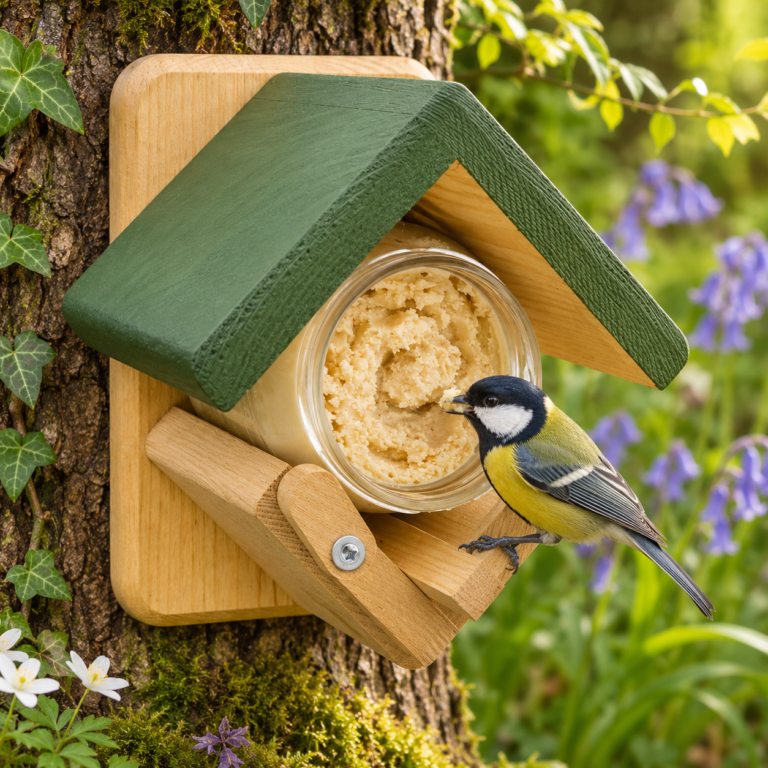
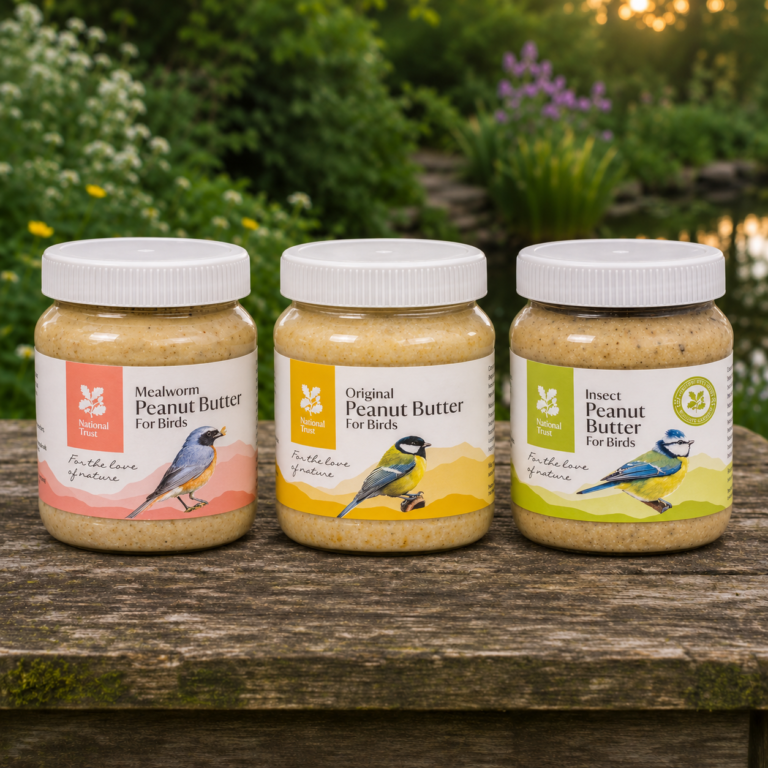
Select options This product has multiple variants. The options may be chosen on the product page
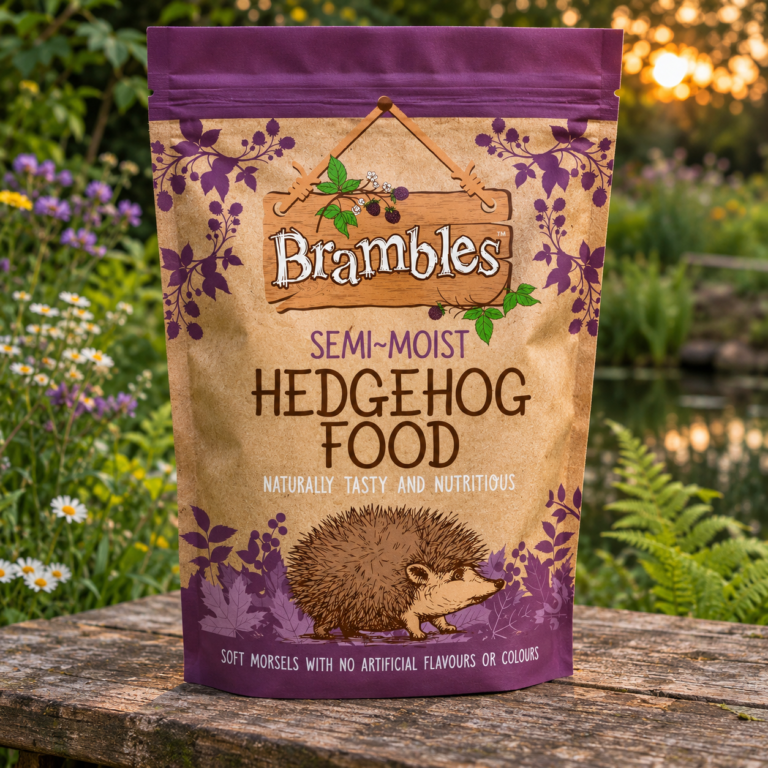

Select options This product has multiple variants. The options may be chosen on the product page

Subscribe to our mailing list
Enter your email address to sign up to our newsletter and receive our latest offers and new releases!

© 2023 Wild Your Garden Ltd. All Rights Reserved. Registered in England and Wales. Company No. 12995106.
Opening Hours
Customer Service Team available:
Monday – Friday – 09:30-16:30
Saturday & Sunday – Closed
Bank Holidays – Closed
Our Christmas opening hours are normal opening times on all dates except Bank Holidays when we will be closed.